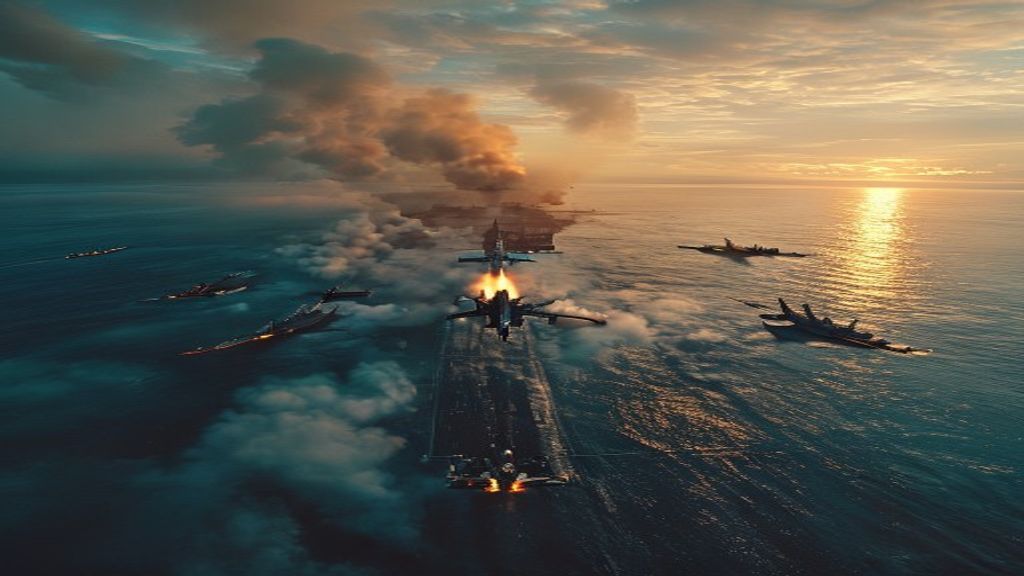

WASHINGTON — American forces struck and disabled two Iranian-flagged oil tankers in the Strait of Hormuz on Friday after overnight exchanges of fire between US and Iranian naval forces, marking the most significant military confrontation between the two nations since a fragile ceasefire was declared weeks ago.
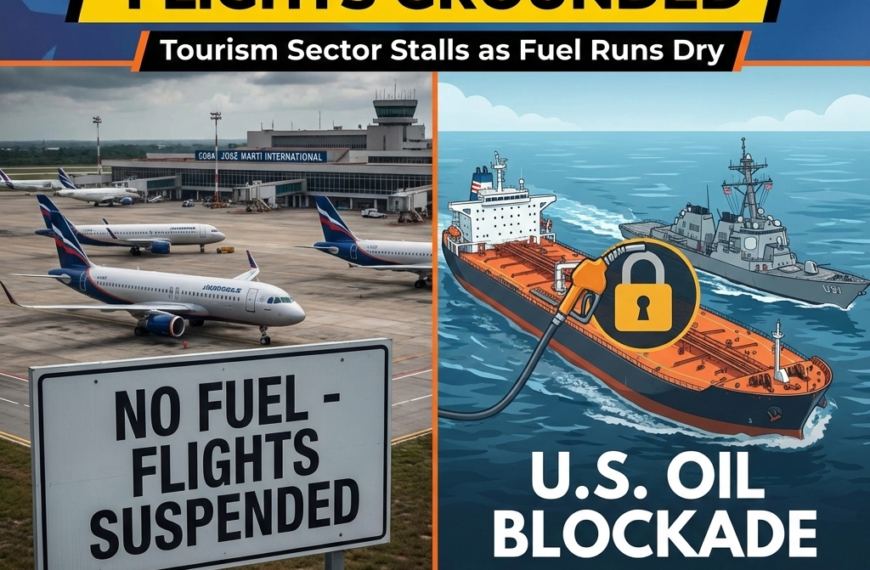
The incident involved a US Navy fighter jet firing precision munitions into the funnels of the M/T Sea Star III and M/T Sevda as three American destroyers transited the narrow waterway that serves as the chokepoint for roughly one-fifth of the world’s oil supply. Both Washington and Tehran have blamed the other for initiating hostilities, plunging diplomatic efforts into disarray and raising fears of a wider regional conflagration. The confrontation unfolds against a backdrop of escalating tensions — the United States has maintained a blockade of Iranian ports since mid-April, while Iran has restricted commercial shipping through the strait since late February 2026.
| Parameter | Details |
|---|---|
| Date of Incident | Friday, May 9, 2026 |
| Vessels Struck | M/T Sea Star III and M/T Sevda (Iranian-flagged oil tankers) |
| US Assets Involved | Three Navy destroyers, one fighter jet |
| Location | Strait of Hormuz, Persian Gulf |
| US Blockade Start | Mid-April 2026 |
| Iranian Shipping Restrictions | Since late February 2026 |
| Ceasefire Status | Technically in effect but repeatedly violated |
Situational Breakdown
The confrontation began during the overnight hours of May 8-9 as three US Navy destroyers conducted a routine transit through the Strait of Hormuz, the narrow passage separating Iran from the Arabian Peninsula. According to US Central Command, Iranian forces initiated unprovoked fire against the American warships, prompting a defensive response that escalated into the disabling strikes on the two tankers. The Pentagon described the operation as measured and proportional, noting that the fighter jet targeted the vessels’ funnels — a deliberate choice designed to immobilize the ships without sinking them or causing mass casualties. — CBS News
Tehran offered a starkly different account. Iranian state media reported that the American destroyers had entered waters claimed by Iran in violation of the existing ceasefire terms, and that Iranian naval units fired warning shots only after repeated radio warnings were ignored. The Islamic Revolutionary Guard Corps Navy, which oversees Iran’s operations in the strait, described the American strikes on the tankers as an act of piracy against civilian vessels carrying legally purchased crude oil. — CNN
Independent verification of either side’s claims has proven difficult, as the strait’s strategic sensitivity and the presence of military forces from both nations have made neutral observation nearly impossible. Maritime tracking data reviewed by multiple outlets confirmed both tankers were transmitting civilian identification signals at the time of the strikes and appeared to be on standard commercial routes. — PBS NewsHour
The Ceasefire Under Siege
The month-long ceasefire between the United States and Iran, brokered through intermediaries and intended to de-escalate a cycle of tit-for-tat military actions, now appears to exist in name only. Friday’s exchange marks at least the fourth significant armed encounter since the agreement was announced, with each side accusing the other of provocations that undermine the truce’s terms.
US Central Command stated its forces “intercepted unprovoked Iranian attacks and responded with self-defense strikes.”
The language from CENTCOM is notable for its firmness. By framing every engagement as defensive, Washington has sought to maintain the legal and diplomatic position that it has not broken the ceasefire — a distinction that may matter greatly in future negotiations but offers little comfort to shipping companies whose vessels and crews are caught in the crossfire. The pattern mirrors the slow deterioration of other recent international agreements, much like the fragile diplomatic processes seen in Russia and Ukraine’s recent ceasefire and prisoner swap, where formal truces struggle to hold under the weight of deep mutual distrust.
Iran’s Escalatory Warning
Perhaps the most alarming development to emerge from Friday’s confrontation was not the strikes themselves but Tehran’s response. Iranian officials moved swiftly from damage assessment to explicit threat-making, issuing what amounted to an ultimatum directed at American military commanders.
Iran warned it would “launch a heavy assault on US assets in the Middle East” if its ships face further attacks during the ceasefire.
This declaration represents a significant escalation in rhetoric, even by the standards of US-Iran hostilities. Military analysts note that Iran’s use of the phrase “heavy assault” suggests a potential shift from the relatively contained naval skirmishes of recent weeks to a broader campaign that could involve missile strikes on US bases in Iraq, Syria, or the Gulf states. Iran possesses a substantial arsenal of ballistic and cruise missiles, and its network of allied militias across the region provides additional vectors for retaliation. As Reuters has extensively reported, the prospect of a wider regional war has been the central fear driving diplomatic efforts throughout 2026.
Global Energy Markets on Edge
The Strait of Hormuz is the world’s most important oil chokepoint. Approximately 20 million barrels of crude pass through its waters daily, supplying energy markets in Asia, Europe, and beyond. Any sustained disruption to transit through the strait would send oil prices surging and ripple through an already fragile global economy still recovering from pandemic-era supply chain disruptions and the energy shocks caused by the war in Ukraine.
Friday’s strikes sent immediate tremors through commodity markets. Brent crude futures jumped sharply in early Asian trading, with traders pricing in the increased risk that further confrontations could interrupt the flow of tanker traffic. Insurance premiums for vessels transiting the strait — already at historic highs — are expected to climb further, adding costs that will ultimately be passed on to consumers worldwide. As the BBC has documented, the economic fallout from tensions in the strait extends far beyond the Middle East, threatening energy security for nations that depend on Gulf oil imports.
The dual blockade dynamic makes the situation particularly volatile. With the US restricting access to Iranian ports and Iran limiting commercial shipping through the strait, the waterway has become a contested zone where military and commercial traffic coexist uneasily. Every transit is a potential flashpoint, and Friday’s events demonstrate how quickly routine naval movements can escalate into armed confrontation.
The Strategic Calculus
For Washington, the strikes on the two tankers serve a dual purpose: demonstrating the capacity and willingness to enforce its blockade while sending a signal to Tehran that American forces will not be deterred by the threat of escalation. The precision of the strikes — targeting funnels rather than hulls, disabling rather than destroying — suggests a calibrated approach designed to avoid casualties and maintain the legal framework of the ceasefire.
For Tehran, the calculus is more complex. Iran cannot match American naval firepower in a conventional engagement, but its asymmetric capabilities — fast attack boats, anti-ship missiles, naval mines, and proxy forces — give it significant leverage in a war of attrition. The threat of a “heavy assault” on US assets across the region is credible precisely because Iran has spent decades building the infrastructure to deliver on such warnings. The question is whether Tehran’s leadership views escalation as serving its interests or whether the warning is designed to extract diplomatic concessions.
Bolotosai Assessment
Friday’s confrontation in the Strait of Hormuz marks a dangerous inflection point. The ceasefire, already frayed beyond recognition, is now one miscalculation away from formal collapse. Three outcomes demand close attention in the coming days and weeks.
First, watch for retaliatory action from Iran or its regional proxies. Tehran’s explicit warning of a “heavy assault” is not idle rhetoric — Iran has demonstrated the capability to strike US installations across the Middle East, and the political pressure on its leadership to respond forcefully is immense. Any strike on a US base in Iraq or the Gulf would almost certainly trigger a broader military campaign.
Second, monitor global energy markets and shipping lane activity. If major tanker operators begin rerouting away from the strait — a decision that adds weeks and significant cost to deliveries — the economic consequences will be felt worldwide. Oil-dependent economies in South and East Asia would be particularly vulnerable, and the inflationary pressures would complicate central bank policies globally.
Third, observe whether any credible mediator emerges to pull both sides back from the brink. Oman, Qatar, and China have all played intermediary roles in past US-Iran tensions, but the current level of mutual hostility makes meaningful diplomacy exceptionally difficult. The international community’s attention is divided across multiple crises, and the diplomatic bandwidth for sustained engagement on the strait may simply not exist. What is certain is that the Strait of Hormuz has become the world’s most dangerous waterway — and Friday’s events suggest the worst may still be ahead.

 By
By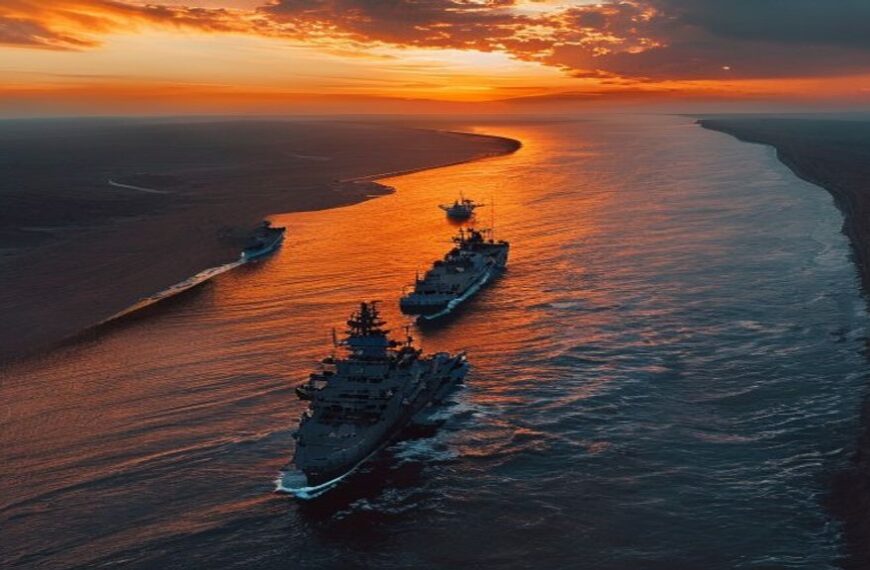


 By
By