
CANNES, France — The 79th Cannes Film Festival opened in spectacular fashion on Monday evening, with legendary New Zealand filmmaker Peter Jackson receiving the prestigious Honorary Palme d’Or in a ceremony that set the tone for what promises to be one of the most anticipated editions of the world’s premier film showcase.
Jackson, the visionary director behind The Lord of the Rings trilogy and a towering figure in modern cinema, was presented the award by his longtime collaborator and friend Elijah Wood during the opening night gala on the French Riviera. The ceremony also saw the world premiere of Pierre Salvadori’s French period-comedy The Electric Kiss, which officially launched twelve days of screenings, premieres, and deal-making that will run through May 23. With South Korean auteur Park Chan-wook at the helm of this year’s Competition jury, the festival has signaled a bold embrace of global cinema that stretches far beyond Hollywood’s traditional orbit.
The selection of Jackson for the Honorary Palme d’Or — cinema’s equivalent of a lifetime achievement recognition — acknowledges a career that has fundamentally reshaped the possibilities of filmmaking, from the groundbreaking visual effects of Middle-earth to his haunting World War I documentary They Shall Not Grow Old. He joins a distinguished lineage of past recipients that includes previous honorees such as George Lucas, Jeanne Moreau, and Bernardo Bertolucci.
| Parameter | Details |
|---|---|
| Honoree | Peter Jackson — Honorary Palme d’Or |
| Presenter | Elijah Wood |
| Opening Film | The Electric Kiss by Pierre Salvadori |
| Jury President | Park Chan-wook (South Korea) |
| Notable Jurors | Demi Moore, Chloé Zhao, Stellan Skarsgård |
| Festival Duration | May 12–23, 2026 |
| Additional Honoree | Barbra Streisand (Honorary Palme d’Or, later in festival) |
Situational Breakdown
The opening night at the Palais des Festivals was charged with emotion as Elijah Wood took the stage to honor the director who launched his career into the stratosphere more than two decades ago. Wood presented the award to Jackson during a ceremony that drew a prolonged standing ovation from the assembled audience of filmmakers, critics, and industry executives. The pairing was fitting — few director-actor relationships in cinema history have produced work as culturally transformative as their collaboration on the Tolkien adaptations. — Deadline
Following the ceremony, attention shifted to the premiere of The Electric Kiss, Salvadori’s comedic romp through a bygone France that festival programmers selected as a deliberate counterpoint to the weightier fare expected in Competition. The choice of a French-language comedy as the opening film was read by many observers as a gesture of cultural pride by the festival, reasserting its identity as a celebration of Francophone cinema even as its Competition slate grows increasingly international. — TimeOut
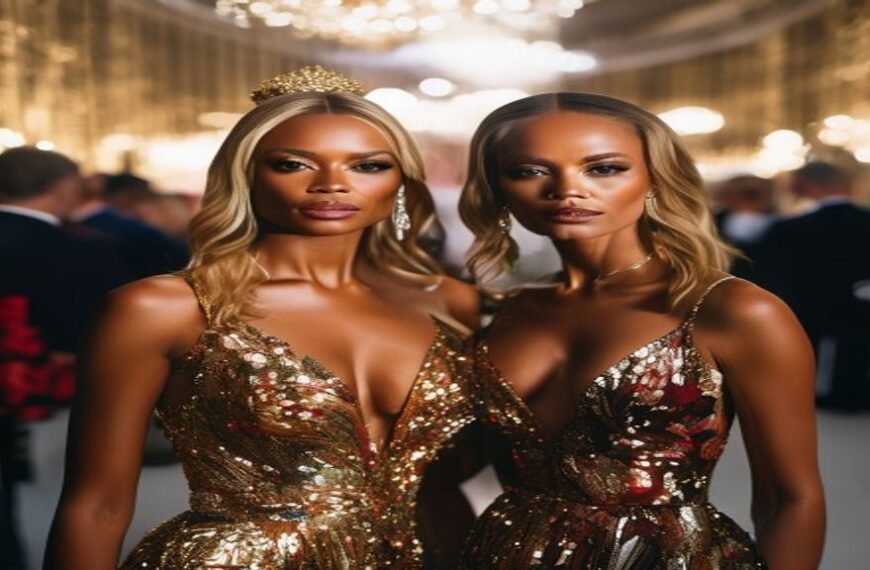
Beyond the Croisette, the festival’s global reach was underscored by the confirmed attendance of Bollywood luminaries Aishwarya Rai and Alia Bhatt, whose red carpet appearances have become annual fixtures that draw enormous attention from audiences across South Asia. Their presence reflects Cannes’ strategic positioning as a truly global event — one that speaks to audiences in Mumbai and Seoul as fluently as it does to those in Paris and Los Angeles. — TV9 Hindi
Park Chan-wook’s Jury: A Statement of Intent
The appointment of Park Chan-wook as Competition jury president represents perhaps the festival’s most significant curatorial statement this year. The director of Oldboy, The Handmaiden, and the Cannes-winning Decision to Leave brings a sensibility that is at once rigorously cinematic and unafraid of genre — a combination that could shape which films emerge with the coveted Palme d’Or on closing night.
“Park Chan-wook will guide the jury to select the festival’s top honors alongside fellow jurors including Demi Moore and Chloé Zhao.”
The jury’s composition is notably diverse in both geography and artistic background. Demi Moore arrives fresh from her career renaissance with The Substance, Chloé Zhao brings the perspective of an Oscar-winning director who straddles Eastern and Western filmmaking traditions, and Stellan Skarsgård contributes decades of experience across European and American cinema. Together, they form a panel that seems designed to reward bold, boundary-pushing work over safe prestige filmmaking. It is a jury, in other words, that matches the ambitions of a festival increasingly aware of its role as arbiter of global — not merely Western — cinema.
Peter Jackson: From Wellington to the Croisette
Jackson’s journey from micro-budget New Zealand horror comedies to the pinnacle of global recognition at Cannes is one of cinema’s great against-the-odds narratives. His Lord of the Rings trilogy, which collectively grossed nearly $3 billion worldwide and won 17 Academy Awards, did not merely adapt J.R.R. Tolkien — it demonstrated that films of staggering ambition could be produced outside the traditional Hollywood studio system, thousands of miles from Los Angeles, by a filmmaker whose earliest work involved alien invasions and zombie gore.
The Honorary Palme d’Or recognizes not just commercial success but artistic daring. Jackson’s body of work includes Heavenly Creatures, a psychologically complex portrait of obsession that first brought him to international attention, and They Shall Not Grow Old, which used cutting-edge restoration technology to transform century-old footage into a viscerally immediate war document. That range — from fantasy epics to intimate dramas to documentary innovation — is precisely what the honor is designed to celebrate.
Streisand’s Forthcoming Honor and the Festival’s Broader Arc
The festival will bestow a second Honorary Palme d’Or later in its run, this time to Barbra Streisand — a figure whose influence on American entertainment spans six decades of music, film, and cultural commentary. The decision to honor both Jackson and Streisand in a single edition is unusual and suggests Cannes is using its 79th year to make a sweeping statement about the breadth of cinematic achievement it wishes to celebrate.
While Jackson represents the technical and imaginative frontiers of filmmaking, Streisand embodies the intersection of performance, direction, and cultural impact. Her 1983 film Yentl made her the first woman to write, produce, direct, and star in a major studio picture — a milestone that resonates with renewed urgency in an industry still grappling with representation behind the camera. As geopolitical tensions continue to dominate headlines — including the fraught US-Iran ceasefire negotiations that have consumed diplomatic bandwidth — the festival’s focus on artistic legacy offers a reminder that culture endures even as political landscapes shift.
The Red Carpet as Global Stage
Cannes has long functioned as more than a film festival — it is a geopolitical barometer, a fashion runway, and a marketplace where the future of cinema is negotiated in real time. The expected appearances of Aishwarya Rai and Alia Bhatt speak to the growing economic and cultural clout of Indian cinema on the international stage. Bollywood’s relationship with Cannes has deepened significantly in recent years, with Indian productions increasingly appearing in official selections and Indian brands becoming prominent festival sponsors.
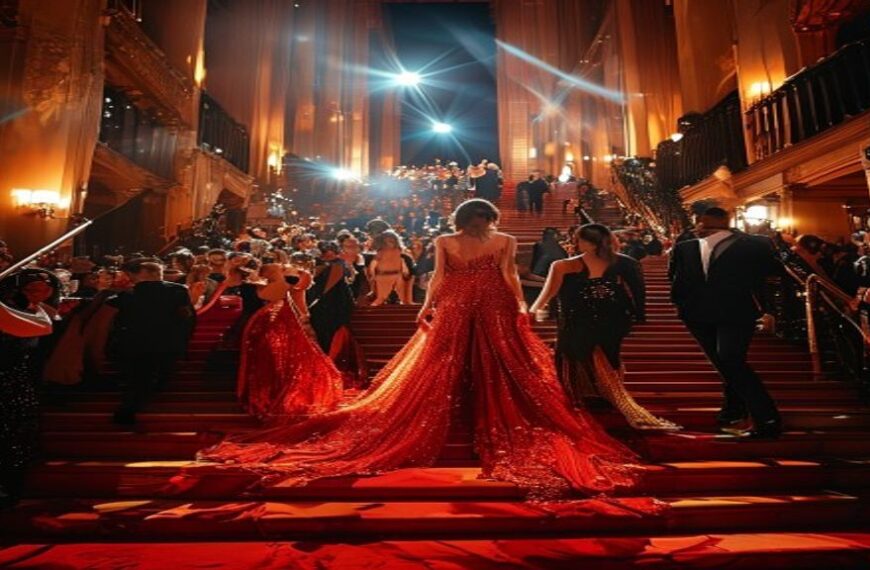
This year’s red carpet is likely to be watched by hundreds of millions across Asia, a viewership that dwarfs the festival’s traditional European and North American audience. For Cannes, this global attention is both validation and opportunity — proof that the festival remains the gravitational center of world cinema, and a chance to leverage that attention into meaningful engagement with film industries beyond the Anglophone world.
BolotoSai Assessment
The 79th Cannes Film Festival has opened with a clear thesis: cinema is a global art form, and this festival intends to honor it as such. With Park Chan-wook steering the jury, Jackson and Streisand receiving lifetime honors, and Bollywood stars commanding red carpet attention, this edition is positioned to be one of the most internationally oriented in recent memory.
Three outcomes to watch over the coming twelve days. First, Park Chan-wook’s jury could deliver a Palme d’Or verdict that significantly reshapes perceptions of what “festival cinema” means — his genre-friendly sensibility may favor films that previous juries might have overlooked. Second, the dual Honorary Palme d’Or ceremonies will generate sustained media attention across the festival’s full run, keeping Cannes in global headlines from opening to closing night. Third, the growing presence of South Asian cinema — both on the red carpet and in the marketplace — may accelerate deal-making that brings more Indian and regional content to international audiences.
The next eleven days will reveal whether this edition’s ambitions match its outcomes. But the opening ceremony has established the stakes: Cannes 2026 is not merely showcasing films — it is making a case for cinema itself as a borderless, enduring, and profoundly human endeavor. The world will be watching.


 By
By





 By
By