
NEW YORK — Beyoncé made a stunning return to the Met Gala on Monday night, ending a decade-long absence from fashion’s most prestigious event and instantly reclaiming her throne as the evening’s undisputed center of gravity.
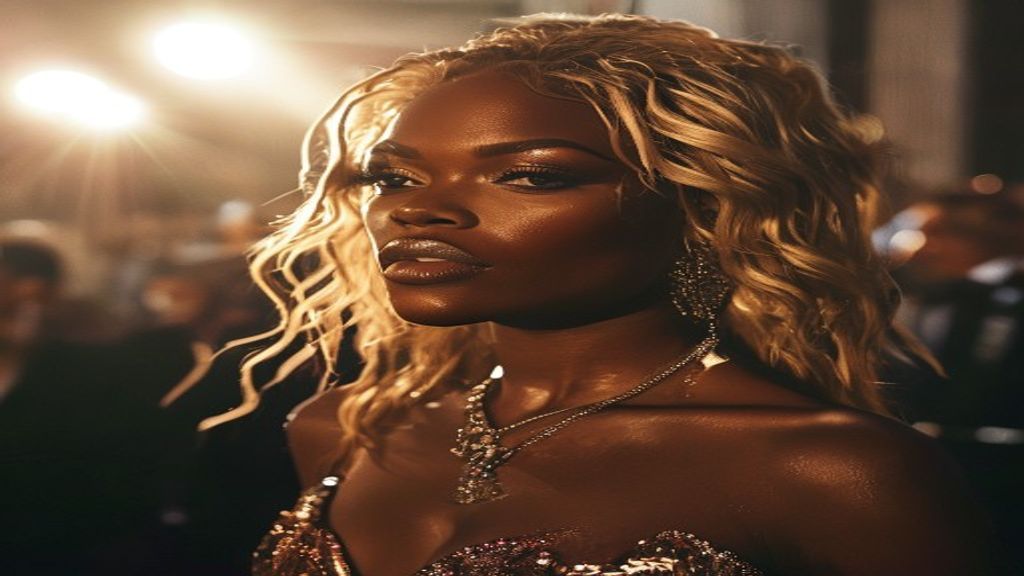
The 44-year-old megastar, who last graced the Met Gala steps in 2016, arrived at the Metropolitan Museum of Art in a diamond-encrusted skeletal gown that left onlookers speechless. She was flanked by husband Jay-Z and their eldest daughter Blue Ivy, making the appearance a family affair that amplified the moment’s cultural weight. This year’s theme, “Costume Art,” challenged attendees to interpret the dress code “fashion is art” — and Beyoncé answered with a look that blurred the line between couture and sculpture.
Her role extended beyond the red carpet. Beyoncé served as co-chair of the 2026 gala alongside Nicole Kidman, Venus Williams, and the event’s perennial architect, Vogue editor-in-chief Anna Wintour. The co-chairing appointment signaled a deliberate elevation of the evening’s stakes, drawing together icons from music, film, sport, and fashion in a year when the gala sought to redefine its own artistic identity. While global affairs continue to dominate headlines — including developments such as Trump rejecting Iran’s 14-point peace plan — Monday night belonged entirely to the world of fashion and spectacle.
| Parameter | Details |
|---|---|
| Key Figure | Beyoncé Knowles-Carter |
| Event | Met Gala 2026, Metropolitan Museum of Art, New York |
| Theme / Dress Code | “Costume Art” / “Fashion is Art” |
| Co-Chairs | Beyoncé, Nicole Kidman, Venus Williams, Anna Wintour |
| Last Met Gala Appearance | 2016 (10-year hiatus) |
| Signature Look | Diamond-encrusted skeletal gown |
| Other Standout Attendees | Rihanna, Sabrina Carpenter, Janelle Monáe |
Situational Breakdown
Beyoncé’s absence from the Met Gala had become one of fashion’s longest-running mysteries. After her iconic 2016 appearance — just weeks after the release of Lemonade — she quietly stepped back from the event, even as her cultural influence continued to grow exponentially. Her return in 2026 was not merely a red carpet appearance; it was an orchestrated cultural event, months in the making and timed to coincide with her elevated role as co-chair. The diamond-encrusted skeletal gown she wore was widely interpreted as a statement on the architecture of beauty itself — bones adorned with brilliance, structure made decorative. — NBC News
The gala’s broader red carpet delivered no shortage of memorable moments. Rihanna, who has built her own legacy of Met Gala dominance, arrived in a look that once again demonstrated her willingness to take risks, though early reports focused squarely on the Beyoncé spectacle. Sabrina Carpenter emerged as one of the night’s breakout stars, wearing a Dior film-strip gown directly inspired by the 1954 Audrey Hepburn film Sabrina — a choice that earned immediate acclaim across social media. Meanwhile, Janelle Monáe delivered one of the evening’s most conceptually ambitious looks, with an ensemble that symbolized art being greater than the machine, a pointed commentary that resonated deeply with the “Costume Art” theme. — Rolling Stone
The 2026 co-chair lineup itself told a story. Nicole Kidman brought old Hollywood gravitas, Venus Williams represented athletic elegance, and Anna Wintour provided the institutional continuity that has defined the gala for decades. But it was Beyoncé’s name on the co-chair list that generated the most pre-event buzz, transforming a typically predictable announcement into front-page news. Industry insiders noted that ticket demand surged immediately after her involvement was confirmed. — CBS News
The Diamond-Encrusted Statement: Beyoncé’s Gown Decoded
Beyoncé’s skeletal gown was not simply a fashion choice — it was a thesis statement. The dress featured an intricate framework of diamonds laid over a structure that evoked the human skeleton, creating an arresting visual tension between fragility and opulence. Fashion critics immediately drew connections to Alexander McQueen’s exploration of anatomy in couture and the broader “fashion is art” mandate of the evening.
“Beyoncé’s return after a decade made this the most anticipated Met Gala red carpet moment in years.” — NBC News
The choice to arrive with both Jay-Z and Blue Ivy added a generational dimension to the moment. Blue Ivy, now 14, has increasingly appeared alongside her mother at high-profile events, and her presence on the Met Gala steps signaled a deliberate passing of cultural torches. The family unit presented a unified front of Black excellence in a space that has historically struggled with representation, making the visual as political as it was aesthetic.
Sabrina Carpenter and the Art of Cinematic Fashion
If Beyoncé dominated the spectacle, Sabrina Carpenter won the narrative. Her Dior gown, constructed from actual film strips and inspired by the 1954 Billy Wilder classic Sabrina starring Audrey Hepburn, was the kind of conceptual fashion moment the Met Gala was designed to produce. The dress bridged cinema and couture in a way that felt both intellectually rigorous and visually stunning — exactly the intersection the “Costume Art” theme demanded.
“Sabrina Carpenter channeled Audrey Hepburn in a Dior gown made from actual film strips, and the internet agreed she never misses.” — NewsX
Carpenter’s choice reflected a broader trend at this year’s gala: attendees who engaged meaningfully with the theme rather than merely wearing expensive clothing. The film-strip material caught light in ways that made the dress appear alive on camera, creating a dynamic visual that was arguably more photogenic than any traditional gown could achieve. It was a reminder that the most memorable Met Gala moments come from artists who treat the red carpet as a canvas, not a runway.
Janelle Monáe: Art Greater Than the Machine
Janelle Monáe has long been one of the Met Gala’s most conceptually daring attendees, and 2026 was no exception. Her look, which symbolized “art being greater than the machine,” arrived at a moment when artificial intelligence and automation are reshaping creative industries worldwide. The ensemble used mixed media and structural elements to create a visual metaphor for human creativity triumphing over technological replication — a theme that resonated far beyond the fashion world.
Monáe’s choice felt particularly pointed given the ongoing debates within the arts community about AI-generated fashion, music, and visual art. By literally wearing the argument that human artistry transcends mechanical reproduction, she transformed her red carpet moment into a cultural statement that will be discussed long after the gala’s after-parties have ended.
The Co-Chair Dynamic: Power, Legacy, and Reinvention
The selection of Beyoncé, Nicole Kidman, Venus Williams, and Anna Wintour as co-chairs represented a deliberate curatorial choice. Each woman embodies a different dimension of cultural power: Beyoncé in music and performance, Kidman in cinema, Williams in athletics, and Wintour in the fashion establishment itself. Together, they formed a committee that spanned generations, disciplines, and definitions of artistic excellence.
This cross-disciplinary approach to the co-chair lineup reinforced the “Costume Art” theme’s central argument — that fashion does not exist in isolation but in conversation with every other art form. By assembling leaders from music, film, sport, and editorial fashion, the 2026 gala positioned itself as a genuine cultural summit rather than merely an exclusive party. The result was an evening that felt more intellectually ambitious than recent iterations, which had at times been criticized for prioritizing virality over substance.
BolotoSai Assessment
Beyoncé’s return to the Met Gala is unlikely to be a one-off event. Her appointment as co-chair suggests a deeper re-engagement with the fashion establishment, and industry observers should expect her presence to influence both the commercial and creative direction of major fashion houses in the months ahead. Brands will compete aggressively for association with her next public appearance, and the diamond skeletal gown will almost certainly inspire derivative designs across the 2027 ready-to-wear season.
For the Met Gala itself, the 2026 edition may mark a turning point. The combination of Beyoncé’s star power, Carpenter’s conceptual brilliance, and Monáe’s cultural commentary demonstrates that the event still has the capacity to generate meaningful artistic discourse — not just social media impressions. If the Costume Institute can maintain this balance between spectacle and substance, the gala’s relevance is secure for another decade.
Three developments to watch: first, whether Beyoncé’s re-emergence on the fashion stage signals a broader pivot in her public persona ahead of potential new music; second, how Sabrina Carpenter’s rising status as a fashion icon translates into brand partnerships and design collaborations; and third, whether Janelle Monáe’s anti-machine statement catalyzes a broader movement within fashion toward explicitly human-crafted couture. The 2026 Met Gala didn’t just celebrate fashion as art — it may have redefined the conversation entirely.

 By
By

 By
By