
WASHINGTON — The United States and Iran are reportedly on the verge of finalizing a landmark one-page memorandum of understanding that could end their ongoing military conflict and lay the groundwork for comprehensive nuclear negotiations, marking the most significant diplomatic breakthrough between the two adversaries in decades.
The development comes after months of escalating tensions and failed diplomatic efforts, including the dramatic collapse of the 21-hour Islamabad Talks in April. Iran is currently reviewing a 14-point American proposal and is expected to relay its response through Pakistani mediators today. The stakes could not be higher — a successful agreement would reshape the geopolitical landscape of the Middle East, reopen critical global shipping lanes, and potentially resolve one of the most dangerous nuclear standoffs of the 21st century. While sports fans across Asia were captivated as RCB thrashed Lucknow by five wickets in IPL 2026, diplomats in Washington, Tehran, and Islamabad were engaged in a far more consequential contest — one with global ramifications.
| Parameter | Details |
|---|---|
| Proposed Agreement | One-page Memorandum of Understanding between the US and Iran |
| US Proposal | 14-point framework currently under Iranian review |
| Nuclear Commitment | Iran to impose 12–15 year moratorium on nuclear enrichment |
| US Concessions | Sanctions relief and release of billions in frozen Iranian funds |
| Maritime Clause | Both sides to lift transit restrictions through the Strait of Hormuz |
| Mediator | Pakistan serving as primary diplomatic intermediary |
| Previous Attempt | 21-hour Islamabad Talks (April 2026) — collapsed without agreement |
Situational Breakdown
The one-page framework represents a dramatic departure from the sprawling, multi-chapter agreements that have historically characterized US-Iran diplomacy. White House officials believe the simplified format increases the likelihood of Iranian acceptance by reducing ambiguity and limiting the number of provisions that could become sticking points. The 14-point proposal reportedly addresses the core concerns of both nations: Iran’s nuclear program, American sanctions, frozen assets, and freedom of navigation through one of the world’s most strategically vital waterways. — Axios
Pakistan’s role as mediator has proven pivotal. After the Islamabad Talks collapsed in April — where a 300-member US delegation led by Vice President JD Vance faced off against a 70-member Iranian team — Islamabad quietly maintained backchannel communications between the two sides. Pakistani officials have reportedly shuttled between Washington and Tehran multiple times in recent weeks, refining language and narrowing gaps. The response Iran is expected to convey today through Pakistani intermediaries could determine whether the conflict enters its endgame or drags on indefinitely. — Al Jazeera
The sheer scale of the failed April talks — 370 delegates across two national delegations locked in marathon negotiations for nearly a full day — underscored both the complexity of the issues and the genuine desire on both sides to find a resolution. That those talks produced no agreement made the current streamlined approach all the more notable, and all the more urgent. — NBC News
The Nuclear Calculus: A 12-to-15-Year Freeze
At the heart of the proposed framework is Iran’s commitment to a moratorium on nuclear enrichment lasting between 12 and 15 years. This provision would effectively freeze Iran’s nuclear program at its current state, preventing further advancement toward weapons-grade material while leaving the door open for future civilian energy negotiations.
The timeframe is significant. The 2015 Joint Comprehensive Plan of Action — the Obama-era nuclear deal that President Trump withdrew from during his first term — imposed restrictions that were set to begin expiring after 10 to 15 years. The new proposal mirrors that timeline but arrives in a fundamentally different context: an active military conflict rather than peacetime diplomacy. For Iran, accepting such a lengthy moratorium while under fire represents a major concession, one that hardliners in Tehran are certain to resist.
Trump stated the war would be over quickly and that talks with Iran have been very good — Al Jazeera
The American president’s optimism, while characteristic, reflects a genuine shift in the negotiating dynamic. The combination of military pressure and a simplified diplomatic framework appears to have moved Tehran closer to the table than at any point since hostilities began.
Sanctions Relief and Frozen Funds: The Economic Lever
In exchange for the nuclear moratorium, the United States would agree to a sweeping package of sanctions relief and the release of billions of dollars in frozen Iranian assets held in banks across South Korea, Japan, Iraq, and other nations. These funds, accumulated largely from oil sales conducted before the reimposition of sanctions, represent a critical lifeline for Iran’s battered economy.
Iran’s GDP has contracted significantly under the weight of American sanctions, with inflation running at historically elevated levels and the rial losing substantial value against the dollar. The release of frozen funds would provide immediate fiscal relief, while broader sanctions removal would reopen international markets to Iranian oil — a prospect that has already begun influencing global energy markets. Oil futures dipped modestly on reports of the impending deal, as traders priced in the possibility of increased Iranian crude supply.
For Washington, the economic concessions are politically fraught. Congressional hawks have long argued that sanctions relief amounts to capitulation, and any deal that unlocks billions for Tehran will face fierce scrutiny on Capitol Hill. The administration’s bet is that ending the war and securing a long-term nuclear freeze will outweigh the political cost.
The Strait of Hormuz: Reopening the World’s Oil Chokepoint
Perhaps the most immediately consequential element of the proposed framework is the mutual agreement to lift transit restrictions through the Strait of Hormuz. Approximately 20 percent of the world’s oil supply passes through this narrow waterway between Iran and Oman, making it one of the most strategically significant maritime corridors on Earth.
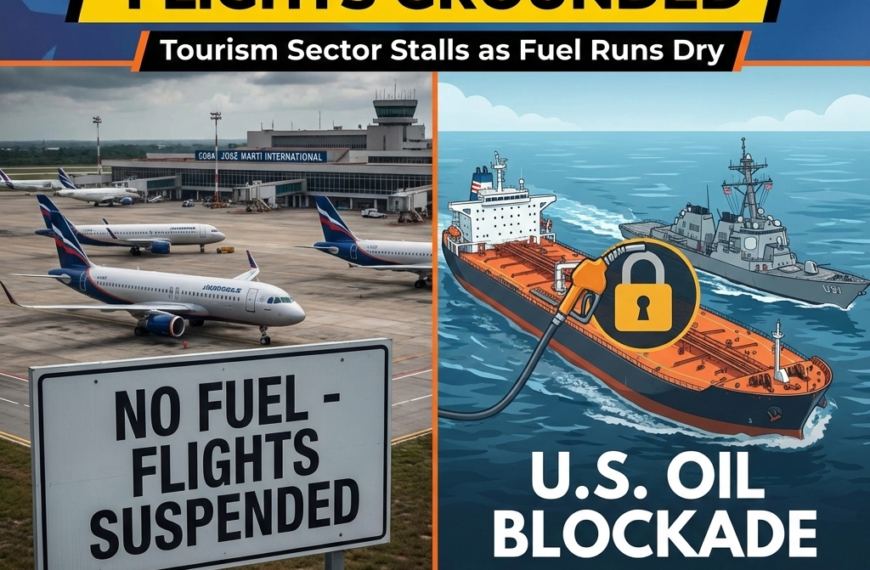
During the conflict, both sides imposed varying degrees of restriction on commercial and military transit. Iran’s Revolutionary Guard Corps conducted aggressive naval patrols and seizures of commercial vessels, while US naval forces established exclusion zones and escort protocols. The resulting disruption sent shipping insurance premiums soaring and forced energy companies to reroute tankers around the Cape of Good Hope, adding weeks and millions of dollars to delivery costs.
White House officials believe they are closing in on a memorandum to end the war and set a framework for nuclear talks — Axios
Reopening the Strait would represent an immediate de-escalation with tangible global economic benefits, providing both sides with a visible, early dividend from the agreement.
Pakistan’s Quiet Diplomacy
Islamabad’s emergence as the primary mediator in the US-Iran conflict represents a significant diplomatic achievement for Pakistan. Historically positioned as a close American security partner while maintaining cultural and religious ties to Iran, Pakistan occupies a unique geopolitical position that both Washington and Tehran have found acceptable as a conduit for sensitive communications.
The decision to channel Iran’s response through Pakistani mediators — rather than through direct communication or via traditional intermediaries like Oman or Switzerland — reflects the trust both parties have placed in Islamabad’s discretion. Pakistani officials have been careful to present themselves as honest brokers rather than advocates for either side, a posture that has been essential to maintaining credibility with both capitals.
The collapse of the Islamabad Talks in April could have undermined Pakistan’s mediating role, but the fact that both sides returned to Pakistani channels suggests that the failure was attributed to the substance of the negotiations rather than the venue or the intermediary. If today’s response leads to a signed memorandum, Pakistan will have secured its most significant diplomatic victory in a generation.
BOLOTOSAI Assessment
The coming hours will be decisive. If Iran accepts the 14-point framework — even with modifications — the path to a formal ceasefire and structured nuclear negotiations opens immediately. Three scenarios merit close attention.
Scenario one: Iran accepts with minor reservations. This is the most optimistic outcome and the one Washington appears to be preparing for. A signed memorandum would trigger immediate de-escalation, Strait of Hormuz reopening, and the beginning of technical negotiations on enrichment verification and sanctions sequencing. Markets would rally, oil prices would soften, and both leaders would claim victory.
Scenario two: Iran counterproposals on the enrichment timeline. Tehran may accept the framework’s structure but push for a shorter moratorium — perhaps eight to ten years instead of twelve to fifteen. This would send negotiations into another round but would not constitute a breakdown. Pakistan’s mediators would shuttle revised language, and a deal could still emerge within weeks.
Scenario three: Hardliners in Tehran reject the framework. If the Revolutionary Guard and conservative clerical establishment view the terms as capitulatory, Iran could reject the proposal outright, as it did implicitly in Islamabad. This would likely trigger a renewed escalation cycle and push any resolution well into the second half of 2026.
What to watch: the tone of Iran’s response matters as much as its content. A rejection accompanied by a counter-offer signals continued engagement. A flat rejection signals that the domestic political dynamics in Tehran have overridden the diplomatic track. Either way, the one-page framework has crystallized the terms of potential peace more clearly than anything that preceded it — and that clarity, regardless of today’s answer, will shape everything that follows.

 By
By


 By
By