
ISLAMABAD — Pakistan’s army chief Field Marshal Asim Munir worked through the night to broker a ceasefire framework between the United States and Iran, racing against President Donald Trump’s Tuesday 8 PM ET deadline for Iran to reopen the Strait of Hormuz — the world’s most critical oil chokepoint carrying roughly 20% of global petroleum supplies.
The diplomatic push comes as a 37-day military conflict across the Middle East has claimed over 3,400 lives and sent global energy markets into turmoil. Iran has rejected Washington’s initial ceasefire terms while Trump has escalated his rhetoric, threatening direct strikes on Iranian power plants and bridges if the strait remains blockaded. Against this backdrop of brinkmanship, Islamabad has emerged as an unlikely but increasingly vital mediator, leveraging its unique relationships with both Washington and Tehran to draft what is now being called the ‘Islamabad Accord’ — a ceasefire proposal that could determine whether the region tips toward diplomacy or deeper catastrophe.
The stakes extend far beyond the Middle East. The Hormuz blockade has already triggered surging shipping insurance premiums, spiking oil futures, and severe economic pressure on import-dependent nations across Asia and Africa. While global audiences have been captivated by other cultural moments — even the White Lotus Season 3 Finale Shocks With Multiple Deaths dominated social media last week — the geopolitical reality unfolding in the Persian Gulf threatens consequences that will be felt in every economy on earth.
| Parameter | Details |
|---|---|
| Key Mediator | Field Marshal Asim Munir, Pakistan Army Chief |
| US Negotiators | VP JD Vance, Envoy Steve Witkoff |
| Deadline | Tuesday, April 8, 2026 — 8:00 PM ET |
| Conflict Duration | 37 days; 3,400+ casualties across the Middle East |
| Proposed Framework | “Islamabad Accord” — immediate ceasefire, strait reopening, 15–20 day settlement window |
| Strategic Waterway | Strait of Hormuz — carries ~20% of global oil supply |
| Current Status | Iran has rejected initial US terms; Pakistan’s framework under review by both sides |
Situational Breakdown
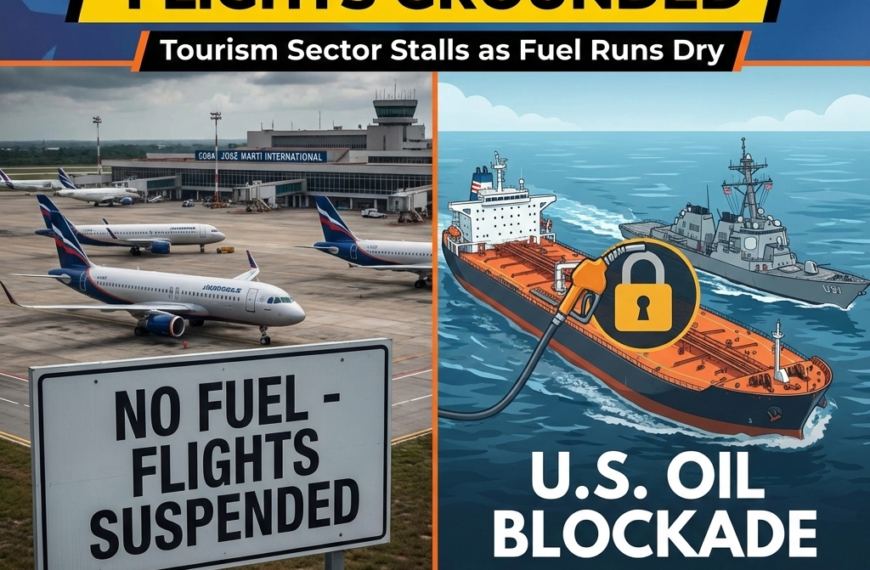
The crisis entered its most dangerous phase over the weekend when Iran’s naval forces maintained their blockade of the Strait of Hormuz despite mounting international pressure. The narrow waterway, barely 33 kilometres wide at its tightest point, serves as the sole maritime passage for oil exports from Saudi Arabia, Iraq, Kuwait, the UAE, and Qatar. Its closure has sent Brent crude prices above $120 per barrel and triggered emergency energy consultations across Europe and Asia. Reuters reported that several major shipping companies have suspended all transits through the strait, rerouting vessels around the Cape of Good Hope at enormous additional cost. — Reuters
President Trump’s response has been characteristically direct. In a series of posts on Truth Social and a brief televised statement from the White House, Trump warned that failure to reopen the strait by Tuesday evening would trigger American strikes on Iranian energy infrastructure — specifically naming power generation facilities and key bridges. The threat marks a significant escalation from earlier warnings that focused on military targets, moving the confrontation into territory that could cripple Iran’s civilian economy for years. — CNBC
Iran, for its part, has shown no signs of capitulation. Tehran’s foreign ministry issued a formal statement warning of retaliation should the US follow through, while the Islamic Revolutionary Guard Corps conducted a series of highly publicised naval exercises near the strait’s entrance — a clear signal that any military action would be met with force. — NPR
The Islamabad Accord: What Pakistan Proposed
The ceasefire framework that has come to bear Pakistan’s capital city as its name contains three core pillars: an immediate and verifiable ceasefire between US and Iranian forces, the unconditional reopening of the Strait of Hormuz to all commercial shipping, and a 15-to-20-day diplomatic window to negotiate a broader settlement addressing the root causes of the conflict.
Field Marshal Munir reportedly spent over fourteen hours in back-channel communications, shuttling between calls with US Vice President JD Vance and special envoy Steve Witkoff on one side, and Iran’s foreign minister on the other. Pakistan’s unique positioning — as a nuclear-armed Muslim-majority nation with deep military ties to Washington and geographic proximity to Iran — gave Munir credibility that few other intermediaries could claim.
The proposal is deliberately structured to give both sides a face-saving exit. For Washington, the immediate reopening of the strait delivers Trump’s stated objective without requiring military action. For Tehran, the broader settlement window offers the possibility of sanctions relief and security guarantees that Iran has long demanded. Whether either side views these terms as sufficient, however, remains the central question as the deadline approaches.
Trump’s Calculated Brinkmanship
Trump’s approach to the crisis has followed a pattern familiar from his first term: maximum pressure combined with theatrical deadlines designed to force adversaries into uncomfortable choices. The Tuesday 8 PM deadline — timed, notably, for prime-time American television — creates a binary moment that Trump can frame as either decisive victory or justified escalation.
Trump called Iran’s ceasefire proposal ‘significant’ but ‘not good enough’ as the Hormuz deadline nears — CNBC
That characterisation — acknowledging Iran’s proposal while dismissing it — suggests the White House is keeping the door open for a deal that meets its minimum requirements while maintaining the credible threat of force. Administration officials speaking to the BBC indicated that the Pakistan-brokered framework is being “seriously reviewed” but that key details around verification mechanisms and the scope of the broader settlement remain unresolved.
Iran’s Defiant Posture
Tehran’s public stance has been one of unyielding resistance, though analysts note a widening gap between Iran’s rhetoric and its diplomatic activity behind closed doors. The fact that Iran’s foreign minister engaged directly with Pakistan’s army chief for extended overnight negotiations suggests a seriousness of purpose that the public statements alone do not convey.
Iran warned of a ‘more severe and expansive’ response if Trump follows through on threats to strike energy infrastructure — NPR
This warning carries considerable weight. Iran’s ballistic missile arsenal, its network of regional proxy forces, and its demonstrated willingness to target commercial shipping mean that any US strike could trigger a cascade of retaliatory actions across Iraq, Syria, Lebanon, and the Gulf states. The 3,400 deaths already recorded in the conflict underscore just how quickly violence has spread across the region, and a further escalation could multiply those numbers dramatically.
Global Economic Fallout
Beyond the immediate military dimensions, the Hormuz blockade has exposed the fragility of global energy supply chains in ways not seen since the 1973 oil embargo. The strait’s closure has forced a fundamental repricing of risk across commodity markets, with natural gas, petrochemical feedstocks, and refined fuel products all surging alongside crude oil. The Guardian noted that developing nations in South and Southeast Asia — many of which import the vast majority of their energy needs — face the most acute pressure, with several already implementing emergency fuel rationing measures.
Shipping and logistics costs have compounded the energy shock. Insurance premiums for vessels transiting the Persian Gulf have increased tenfold since the blockade began, and the rerouting of tankers around Africa adds approximately two weeks and significant fuel costs to every voyage. These costs cascade through global supply chains, raising prices on everything from food to manufactured goods in economies already grappling with inflation.
🇵🇰 Pakistan Connection
Pakistan’s role in this crisis extends well beyond symbolic diplomacy. Field Marshal Munir’s overnight mediation marathon — engaging directly with the US Vice President, the American special envoy, and Iran’s top diplomat — represents perhaps the most significant Pakistani diplomatic intervention on the global stage in decades. The fact that the resulting ceasefire framework now carries the name ‘Islamabad Accord’ places Pakistan’s capital alongside Camp David, Oslo, and Dayton in the lexicon of historic peace negotiations, should the agreement hold.
The economic imperative driving Pakistan’s engagement is equally stark. As a net energy importer that sources a significant portion of its crude oil and LNG through Gulf shipping routes, Pakistan’s economy is acutely vulnerable to the Hormuz blockade. Islamabad has already negotiated guaranteed passage for Pakistani-flagged vessels through the strait — a practical achievement that protects vital supply lines regardless of the broader diplomatic outcome. With Pakistan’s current account deficit already under pressure and foreign exchange reserves limited, a prolonged disruption to Gulf energy flows could trigger a balance-of-payments crisis that no amount of IMF support could easily resolve.
BOLOTOSAI Assessment
The next thirty-six hours will determine whether the Islamabad Accord becomes a genuine turning point or a footnote in a widening conflict. Three scenarios present themselves with roughly equal probability.
First, a modified version of Pakistan’s framework gains acceptance from both sides before Tuesday’s deadline, allowing Trump to declare victory and Iran to claim it negotiated from strength. This outcome would likely see oil prices drop sharply but remain elevated as markets price in the fragility of any ceasefire. Second, the deadline passes without agreement but also without immediate military action, as both sides use the expiration to extract further concessions — a dangerous limbo that could extend the blockade for weeks. Third, Trump follows through on strikes against Iranian infrastructure, triggering the retaliatory cascade that Tehran has promised and potentially drawing in regional actors from Hezbollah to the Houthis.
What to watch: Iran’s response to specific verification mechanisms in the Islamabad Accord will signal whether Tehran is genuinely prepared to reopen the strait. Any movement of US carrier strike groups closer to Iranian waters in the coming hours would suggest the Pentagon is preparing for the third scenario. And Pakistan’s continued role as intermediary — particularly whether Munir can secure a direct Trump-Iran communication channel — may ultimately prove the variable that determines which path this crisis takes. The world is watching Islamabad as much as it is watching Washington and Tehran.

 By
By


 By
By