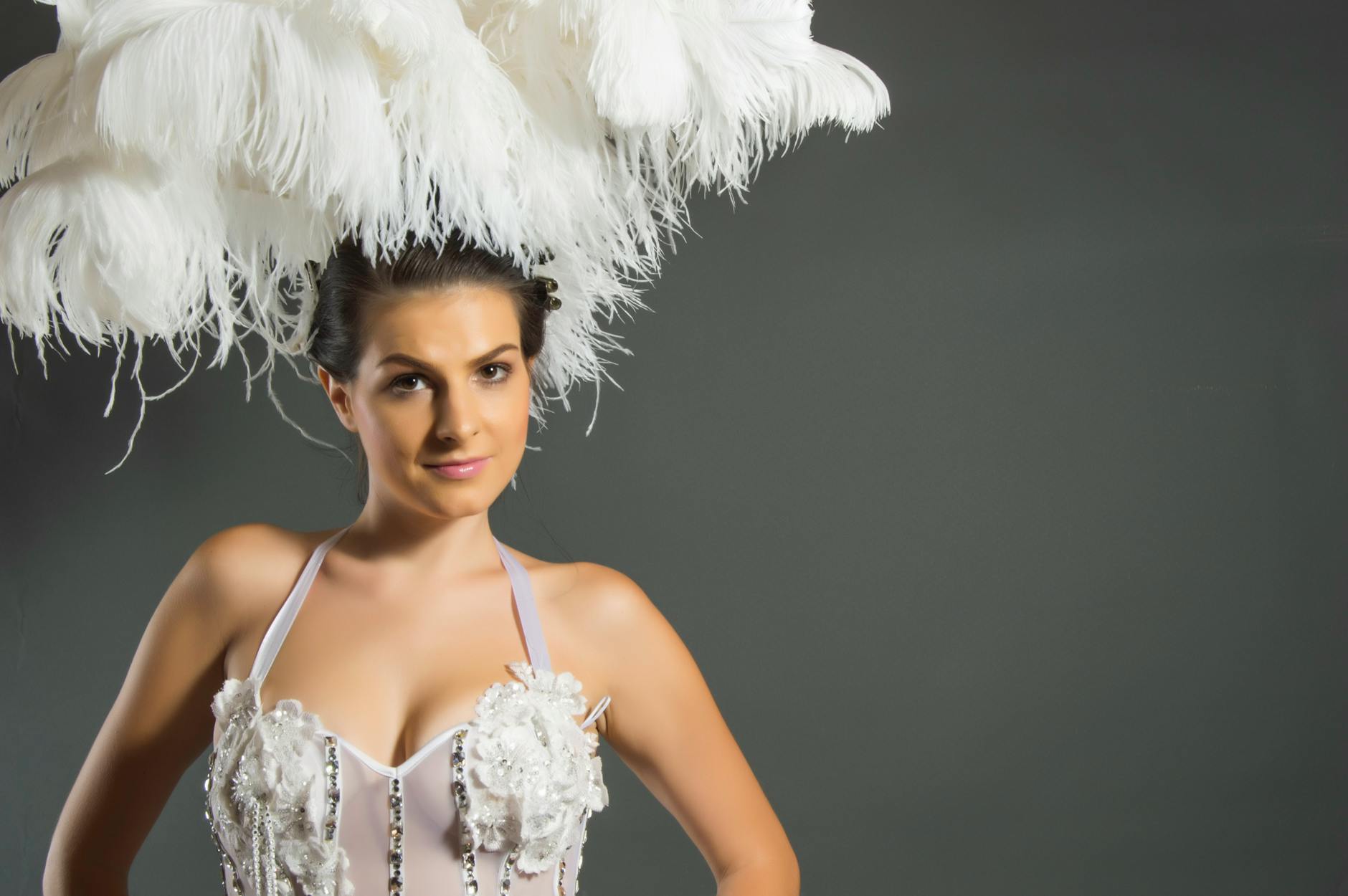

LAS VEGAS — A Las Vegas entertainer has filed a trademark infringement lawsuit against global pop superstar Taylor Swift, alleging that Swift’s 12th studio album title The Life of a Showgirl violates her long-established brand built around the showgirl identity in the entertainment capital of the world.
Maren Wade, a veteran Las Vegas performer, comedian, and content creator, filed the suit claiming that Swift’s use of the title creates consumer confusion with Wade’s Confessions of a Showgirl brand — a trademark she has held since 2015. That brand encompasses a popular Las Vegas Weekly column, a podcast, and a live cabaret show that has become a staple of the city’s entertainment scene. What makes the case particularly striking is that the U.S. Patent and Trademark Office had already flagged the issue, refusing Swift’s trademark application on the grounds that it was confusingly similar to Wade’s existing mark. Despite that federal warning, Swift and her team reportedly continued using the branding across merchandise, promotional materials, and album-related products.
The stakes are significant on both sides. For Wade, this is about protecting a decade-long brand identity that she built from the ground up in one of the most competitive entertainment markets in the world. For Swift, whose business empire generates hundreds of millions annually, the lawsuit raises questions about how even the most powerful figures in entertainment navigate intellectual property law — and whether star power can override trademark protections designed to shield smaller creators.
| Parameter | Details |
|---|---|
| Plaintiff | Maren Wade, Las Vegas entertainer and brand owner |
| Defendant | Taylor Swift and affiliated companies |
| Trademark at Issue | “Confessions of a Showgirl” (registered 2015) vs. “The Life of a Showgirl” |
| USPTO Ruling | Refused Swift’s trademark application citing likelihood of confusion |
| Relief Sought | Permanent injunction, all profits from branded goods, jury trial |
| Key Evidence | USPTO refusal letter; continued use of branding after refusal |
| Case Status | Filed; awaiting court proceedings |
SITUATIONAL BREAKDOWN
The core of Wade’s legal argument rests on a straightforward principle of trademark law: priority of use. Wade registered her Confessions of a Showgirl trademark in 2015, a full decade before Swift released her album under a strikingly similar name. Under the Lanham Act, which governs federal trademark disputes in the United States, the key question is whether an average consumer could confuse the two marks — and the USPTO has already answered that question in the affirmative by refusing Swift’s application. Wade’s legal team argues that Swift’s decision to press ahead despite that refusal demonstrates willful infringement, which could significantly increase any damages awarded. — Courthouse News Service
Swift’s camp has not yet publicly responded to the lawsuit, though legal observers note that the singer’s team may argue that an album title and an entertainment brand operate in sufficiently different commercial spaces to avoid genuine consumer confusion. However, the fact that Swift sought to trademark the name for use on merchandise and products — the same commercial categories where Wade’s mark is registered — undercuts that potential defense. The merchandise angle is critical: Swift’s tour merchandise operations are a billion-dollar enterprise, and any products bearing The Life of a Showgirl branding could directly compete with Wade’s established goods. — NBC News
The timing of the lawsuit also matters. Wade filed after what her attorneys describe as attempts to resolve the matter outside of court, suggesting that Swift’s team was aware of the conflict and chose not to negotiate a licensing arrangement or rebrand. This pattern of conduct — knowledge of an existing mark, a federal refusal, and continued use — is exactly the kind of fact pattern that courts have historically found persuasive in awarding enhanced damages for willful infringement. — TMZ
The USPTO Refusal: A Smoking Gun?
Perhaps the most damaging element of Wade’s case is the paper trail from the U.S. Patent and Trademark Office itself. When Swift’s representatives applied to register The Life of a Showgirl as a trademark, the examining attorney at the USPTO conducted a routine search of existing marks and found Wade’s Confessions of a Showgirl registration.
“The Trademark Office notified Swift’s team that ‘The Life of a Showgirl’ was likely to be confused with an existing trademark but she continued using it anyway.” — from the lawsuit filing, per Courthouse News Service
In trademark litigation, a USPTO refusal based on likelihood of confusion is not technically binding on a federal court — but it carries substantial persuasive weight. Courts routinely cite USPTO findings as evidence that confusion is likely, and the refusal makes it extremely difficult for Swift to argue that she was unaware of the conflict. Legal experts following the case have noted that this documentary evidence transforms what might have been a close call into a much stronger case for the plaintiff.
David vs. Goliath: The Power Imbalance in IP Disputes
The lawsuit highlights a recurring tension in intellectual property law: the ability of smaller creators to enforce their rights against vastly more powerful entities. Wade, while a successful Las Vegas performer, operates at a fraction of the commercial scale of Taylor Swift’s entertainment empire. Swift’s team includes some of the most sophisticated intellectual property attorneys in the industry, and the financial resources available to mount — or outlast — a legal defense are virtually unlimited.
Yet the law, in theory, is designed to protect precisely this kind of scenario. Trademark rights are not awarded based on fame or market size; they are awarded based on priority of use and registration. Wade was first. She registered. She built her brand. The question now is whether the legal system will enforce those protections as designed, or whether the gravitational pull of celebrity and corporate power will distort the outcome. Similar dynamics have played out across the entertainment industry, and the outcome of this case could send a meaningful signal to independent creators about whether their intellectual property investments are truly secure. In a landscape where even major corporate players invest billions to protect proprietary assets, the principle remains the same at every scale.
What Wade Is Asking For
Wade’s complaint is aggressive in its demands, seeking not merely a ceasefire but comprehensive relief that would strip Swift of the commercial benefits derived from the allegedly infringing mark.
“Wade asks the court to permanently prevent Swift and her companies from using ‘The Life of a Showgirl’ as a brand name on products or services.” — NBC News
Beyond the permanent injunction, Wade is seeking disgorgement of all profits from goods sold under The Life of a Showgirl branding. Given the scale of Swift’s merchandise operations — which generated an estimated $200 million during her Eras Tour alone — even a fraction of album-related merchandise profits could represent a substantial sum. The request for a jury trial is also notable; juries in trademark cases have historically been sympathetic to smaller plaintiffs facing corporate defendants, particularly when there is evidence of willful infringement. As BBC’s entertainment coverage has noted, Swift’s brand management has generally been meticulous, making this apparent oversight all the more surprising.
The Showgirl Identity and Las Vegas Culture
Beyond the legal technicalities, there is a cultural dimension to this dispute that resonates deeply in Las Vegas. The showgirl is not merely an entertainer; she is an icon of the city’s identity, a symbol that dates back to the golden age of the Strip. Wade’s brand was built on that cultural heritage — her column, podcast, and show all explore the lived experience of performing in Las Vegas, the glamour and the grind, the spectacle and the sacrifice.
When Swift adopted The Life of a Showgirl for her album — reportedly inspired by her residency at the Eras Tour’s Las Vegas dates — she was drawing on that same cultural wellspring. But Wade’s argument is that she got there first, and that her trademark gives her the exclusive commercial right to associate the showgirl identity with branded entertainment products. For the Las Vegas performing community, the case is being watched closely as a referendum on whether local artists can protect their cultural contributions from appropriation by global superstars. As The Guardian has reported, Swift’s Las Vegas residency has already transformed the city’s entertainment economy, raising questions about the balance between celebrity tourism and local creative ecosystems.
🇵🇰 WHAT THIS MEANS FOR PAKISTAN
While the lawsuit is a purely American legal dispute, it carries lessons for Pakistan’s rapidly growing creative economy. Pakistan’s entertainment industry — from Lollywood to the booming digital content ecosystem on YouTube and TikTok — is producing an increasing number of brands, catchphrases, and creative identities that hold commercial value. Yet Pakistan’s trademark enforcement infrastructure remains underdeveloped compared to the United States, and local creators often lack the resources or legal knowledge to protect their intellectual property before it is co-opted by larger players.
The Wade-Swift case demonstrates why proactive trademark registration matters. Wade’s 2015 registration is the foundation of her entire legal claim; without it, she would have little recourse regardless of how long she had been using the showgirl brand. For Pakistani artists, comedians, musicians, and digital creators building personal brands, the lesson is clear: register your trademarks with the Intellectual Property Organization of Pakistan (IPO-Pakistan) before someone with deeper pockets adopts a similar name. The cost of registration is minimal compared to the cost of litigation.
Additionally, as Pakistani artists increasingly collaborate with or are influenced by global entertainment figures, cross-border intellectual property awareness becomes essential. Understanding how trademarks function in key markets like the United States can help Pakistani creators protect their work internationally and avoid inadvertently infringing on existing marks when expanding their brands beyond South Asia.
BOLOTOSAI ASSESSMENT
This case is unlikely to go to trial. The combination of a USPTO refusal, documented notice to Swift’s team, and continued use of the branding creates a fact pattern that heavily favors settlement. Swift’s legal team is sophisticated enough to recognize that a jury trial — with its unpredictable outcomes and the optics of a global superstar fighting a Las Vegas performer over her showgirl brand — presents more risk than reward. We expect a confidential settlement that includes a licensing fee or rebranding commitment, likely within the next six to twelve months.
If the case does proceed, three outcomes are worth watching. First, whether the court grants a preliminary injunction that forces Swift to halt use of the branding before trial — this would be an early and significant victory for Wade. Second, the damages calculation: if disgorgement is awarded, the court’s methodology for attributing profits to the allegedly infringing mark versus the album itself will set an important precedent for entertainment trademark cases. Third, the broader chilling effect: a Wade victory could embolden independent creators nationwide to pursue trademark claims against major entertainment figures, reshaping the risk calculus for celebrity branding teams.
What to watch next: Swift’s formal legal response, any motion for a preliminary injunction from Wade’s team, and whether other Las Vegas performers rally publicly behind Wade’s cause. The cultural narrative — small-town showgirl versus global superstar — is already taking shape, and in the court of public opinion, that story may matter almost as much as the legal arguments themselves.

 By
By



 By
By