
WASHINGTON — US President Donald Trump has formally rejected Iran’s 14-point peace proposal aimed at ending the conflict that erupted on February 28, 2026, declaring the demands “simply not acceptable” and signaling that his administration is actively reviewing new military options should the fragile ceasefire collapse.
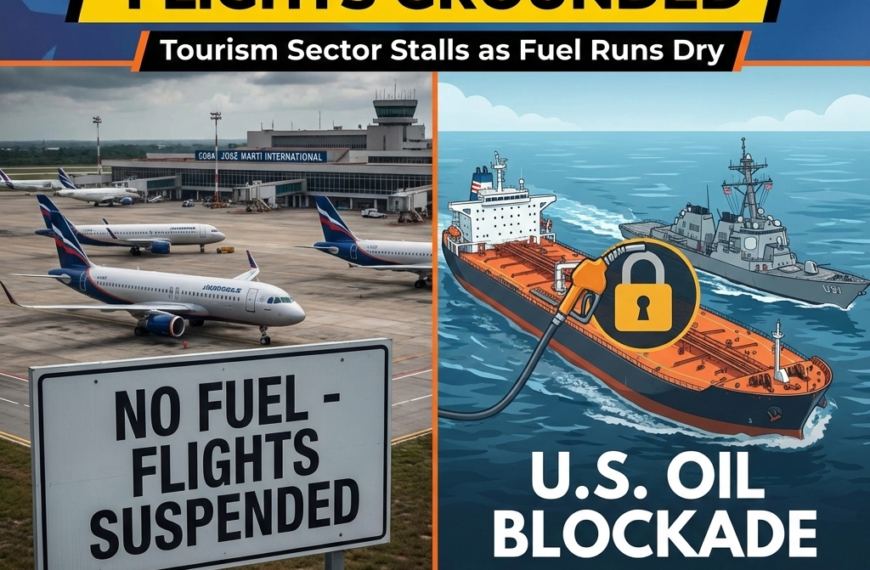
The rejection marks a critical inflection point in a war that has already claimed thousands of lives across the Middle East. Iran’s sweeping proposal sought to resolve all outstanding issues within a 30-day framework, calling for the lifting of crippling economic sanctions, an end to the US naval blockade, the withdrawal of American forces from Iran’s periphery, the payment of reparations, and the establishment of a new multilateral mechanism to govern the strategically vital Strait of Hormuz. The plan was widely seen as Tehran’s most comprehensive diplomatic overture since hostilities began, but Washington dismissed it almost immediately as a non-starter.
The stakes could not be higher. A senior Iranian military official has warned that renewed fighting is now “possible” following the American rejection, raising the specter of a return to the devastating airstrikes and naval engagements that defined the war’s opening months. With preliminary casualty figures already exceeding 5,900 dead across the region, the international community is watching with growing alarm as both sides appear to be preparing for the next phase of a conflict that has reshaped the geopolitical landscape of the Middle East.
| Parameter | Details |
|---|---|
| Key Figure | US President Donald Trump |
| Conflict Start Date | February 28, 2026 |
| Iran’s Proposal | 14-point peace plan with 30-day resolution timeline |
| Key Demands | Sanctions relief, blockade end, troop withdrawal, reparations, Hormuz mechanism |
| Casualties (Iran) | Over 3,375 dead |
| Casualties (Lebanon) | 2,509 dead |
| Current Status | Ceasefire holding but increasingly fragile |
Situational Breakdown
The rejection came during what Trump described as a wide-ranging review of the conflict’s trajectory. Speaking in an interview with Israeli broadcaster Kan News, Trump made clear that Iran’s demands crossed multiple red lines that the United States was unwilling to entertain. The requirement for reparations — effectively asking Washington to compensate Tehran for damages sustained during a conflict the US views as justified — was described by administration officials as particularly provocative. The demand for a new Strait of Hormuz governance mechanism was similarly dismissed, with Pentagon officials arguing it would compromise American freedom of navigation in one of the world’s most critical waterways. — Al Jazeera
Iran’s response has been measured but ominous. A senior military official, speaking to PBS News, confirmed that the Islamic Republic’s armed forces are maintaining full readiness and warned that “renewed conflict with the United States remains possible after the rejection of our peace plan.” The statement stopped short of threatening an immediate resumption of hostilities, but its tone represented a marked shift from the cautious optimism that had accompanied the ceasefire and Iran’s subsequent diplomatic initiative. As Trump Reviews Iran Peace Plan But Rejects Key Demands, the diplomatic window appears to be narrowing rapidly. — PBS News
The humanitarian toll of the conflict continues to mount even during the ceasefire, with hospitals across Iran and Lebanon overwhelmed by the injured and displaced populations stretching resources to the breaking point. Gulf states, though comparatively spared with 28 recorded fatalities, have seen significant economic disruption from the naval blockade and the broader instability sweeping the region. — NPR
The 14 Points: What Iran Demanded and Why Washington Balked
Iran’s peace proposal was ambitious by any measure. The 30-day resolution timeline alone represented an extraordinarily compressed schedule for untangling a conflict that has drawn in multiple state and non-state actors across at least three countries. The demand for an immediate end to sanctions would have reversed years of American economic pressure that predates the current conflict, effectively rewarding Tehran with concessions that previous administrations refused to grant even during peacetime negotiations.
The proposal for a new Strait of Hormuz mechanism was perhaps the most strategically significant demand. Approximately one-fifth of global oil supply passes through the narrow waterway, and any change to its governance would have far-reaching implications for global energy markets and maritime security. Iran has long sought greater control over the strait, viewing it as leverage against Western economic pressure.
“The Iranian proposal includes demands that are simply not acceptable to us.” — Donald Trump, in an interview with Kan News
Military Options on the Table
Trump’s indication that he is reviewing new military options suggests the administration is preparing contingency plans for a resumption of hostilities. While the president did not specify what those options might entail, analysts have pointed to an expanded air campaign, intensification of the naval blockade, and potential strikes on Iranian military infrastructure that was spared during the initial phase of the conflict.
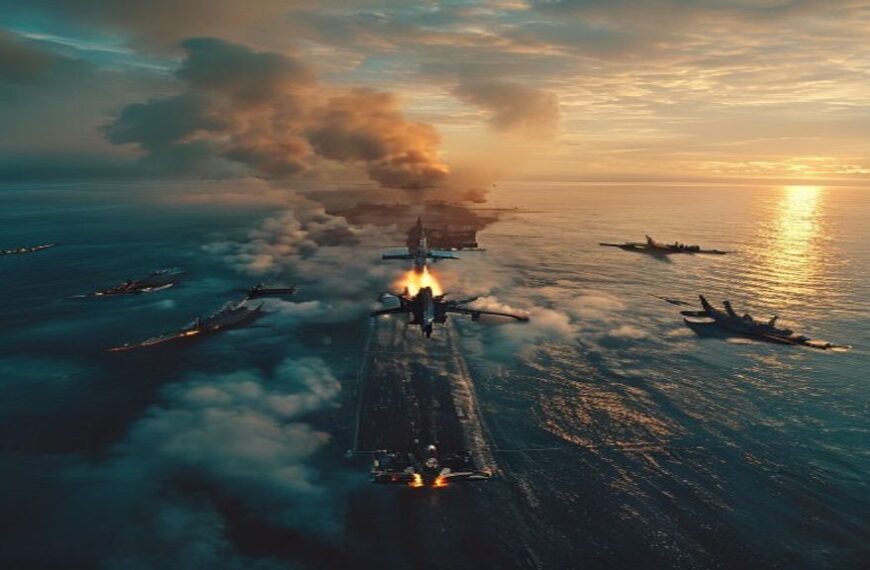
The Pentagon has maintained a significant force posture in the region throughout the ceasefire, with carrier strike groups and additional air assets deployed to bases across the Gulf. Military officials have been careful to characterize this presence as defensive, but the infrastructure for offensive operations remains in place and could be activated rapidly should the president give the order.
The question of proportionality looms large. With over 3,375 Iranian dead already recorded, any escalation risks pushing the conflict into a phase that could destabilize the broader region and draw in additional actors, including Iran’s network of allied militias across Iraq, Syria, and Yemen.
The Ceasefire’s Fragile Foundation
The current ceasefire, which both sides have largely observed, was never intended to serve as a permanent resolution. It was conceived as a confidence-building measure — a pause that would create space for the kind of diplomatic engagement that Iran’s 14-point plan represented. With that plan now rejected, the ceasefire exists in a strategic vacuum, lacking the diplomatic framework that was supposed to give it purpose and direction.
“Renewed conflict with the United States remains possible after the rejection of our peace plan.” — Senior Iranian military official, as reported by PBS News
International mediators, including European allies and Gulf states that have sought to broker a resolution, are scrambling to prevent the situation from deteriorating further. There are reports of backchannel communications between Washington and Tehran, mediated by Oman and Qatar, though neither side has confirmed the substance of these exchanges. The broader diplomatic picture remains uncertain, with the United Nations Security Council deeply divided on the path forward.
Regional Fallout and the Humanitarian Crisis
Lebanon’s staggering death toll of 2,509 underscores the extent to which this conflict has spilled beyond its bilateral origins. The country, already mired in economic collapse and political dysfunction, has borne a disproportionate share of the violence, with Israeli operations against Hezbollah targets compounding the destruction. Gulf states, while suffering fewer casualties, have absorbed significant economic shocks from disrupted shipping lanes and volatile energy prices.
Humanitarian organizations have warned that a resumption of fighting would create a catastrophe of unprecedented scale in the region. Millions of Iranians have been displaced by the conflict, and the sanctions regime has severely limited the flow of medical supplies and essential goods into the country. The ceasefire, for all its fragility, has been a lifeline — and its collapse would be devastating.
BolotoSai Assessment
The rejection of Iran’s 14-point peace plan leaves the Middle East at its most dangerous crossroads since the conflict began in February. Three scenarios now present themselves with varying degrees of probability. First, a return to active hostilities — the most alarming outcome, but one that both sides appear to be preparing for, with Trump’s review of military options and Iran’s warnings about renewed fighting suggesting that the ceasefire’s days may be numbered. Second, a modified diplomatic initiative — Iran or a third-party mediator could present a scaled-back proposal that addresses some of Washington’s objections while preserving Tehran’s core interests, though the political space for compromise is shrinking on both sides. Third, a prolonged frozen conflict — the ceasefire holds indefinitely without a peace deal, creating a tense status quo that satisfies no one but prevents the worst-case scenario of resumed combat.
The key variable to watch is the Strait of Hormuz. If Iran moves to reassert control over the waterway or if the US intensifies its naval blockade, the ceasefire will almost certainly collapse. Energy markets, already jittery, would face severe disruption, and the economic consequences would ripple far beyond the region. The next 72 to 96 hours will be critical in determining whether diplomacy has truly failed or whether the rejection of this particular plan opens space for a more realistic negotiation. The world cannot afford to look away.

 By
By


 By
By