

WASHINGTON — US President Donald Trump confirmed on Friday that his administration is actively reviewing a 14-point peace proposal submitted by Iran but has flatly rejected its central demands, insisting that any agreement must include ironclad guarantees preventing Tehran from acquiring nuclear weapons.
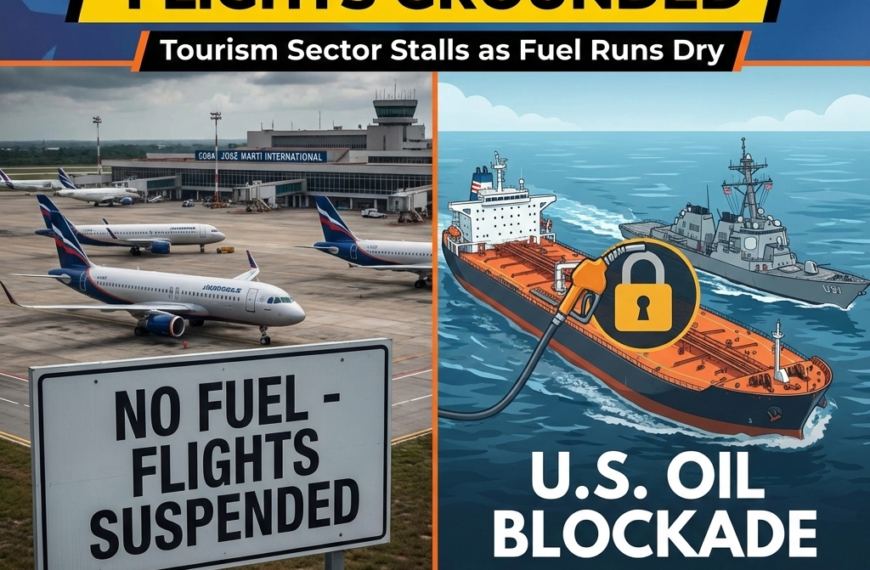
The proposal, delivered through diplomatic back-channels, offers to reopen commercial shipping through the Strait of Hormuz — the critical maritime chokepoint that has been effectively sealed since late February when the United States and Israel launched coordinated airstrikes against Iranian military and nuclear infrastructure. Iran’s plan, however, seeks to defer all nuclear negotiations to a separate, later-stage diplomatic process, a condition Washington views as a non-starter. The standoff now enters its 64th day with no ceasefire in sight, a mounting civilian death toll exceeding 5,900 across the region, and global energy markets in sustained crisis. The stakes extend far beyond the Middle East, with the dual naval blockade between US and Iranian forces slashing Hormuz transit by over 90 percent and choking off roughly one-fifth of the world’s oil and gas supply.
| Parameter | Details |
|---|---|
| Conflict Duration | 64 days (since late February 2026) |
| Iranian Proposal | 14-point peace plan; reopen Hormuz, defer nuclear talks |
| Casualties | Iran: 3,375+ | Lebanon: 2,509 | Gulf States: 28 |
| US War Cost | $25 billion (Pentagon estimate) |
| Hormuz Shipping Impact | Over 90% reduction; ~20% of global oil/gas supply disrupted |
| US Arms Sales | $8 billion fast-tracked to Middle Eastern allies |
| Key Players | US, Iran, Israel, Gulf states, Lebanon |
Situational Breakdown
The Iranian proposal represents Tehran’s most significant diplomatic overture since hostilities erupted in late February. According to reporting by Al Jazeera, the 14-point plan centres on an immediate mutual de-escalation: Iran would cease its blockade activities in the Strait of Hormuz and allow commercial tanker traffic to resume under international monitoring, while the United States would halt its ongoing air campaign. In exchange, Tehran demands that all discussions regarding its nuclear programme be removed from the immediate framework and placed in a separate multilateral negotiation — a structure reminiscent of the now-defunct JCPOA process. — Al Jazeera
Washington’s rejection of this core condition was swift and unequivocal. President Trump, speaking to reporters at the White House, framed the war in existential terms, stating that military action against Iran is necessary to stop what he called “lunatics” from obtaining a nuclear weapon. Senior Pentagon officials echoed the president’s position, arguing that any agreement that fails to address Iran’s uranium enrichment capacity would amount to a strategic surrender. The administration’s posture suggests it views the current military pressure as leverage — not a problem to be resolved through concessions. — Fox News
Meanwhile, the humanitarian toll continues to climb. Over 3,375 people have been killed in Iran, with an additional 2,509 deaths reported in Lebanon — where Hezbollah-linked infrastructure has been a secondary target of the US-Israeli campaign — and 28 fatalities across Gulf states caught in the crossfire of naval engagements. International humanitarian organisations have warned that the Hormuz blockade is compounding civilian suffering by disrupting food and medical supply chains across the region. — CBS News
The Nuclear Red Line
At the heart of the diplomatic impasse is a fundamental disagreement over sequencing. Iran’s position is that reopening Hormuz and achieving a ceasefire should precede any nuclear discussions, allowing for stabilisation before tackling the most contentious issue. Washington’s position is the inverse: nuclear guarantees must be embedded in any ceasefire framework, not deferred to an uncertain future process.
“Iran’s proposal would lift the blockade and reopen Hormuz while leaving nuclear discussions for later negotiations.”
This framing by Al Jazeera captures the essence of Tehran’s strategy — secure immediate relief from military and economic pressure while preserving maximum negotiating leverage on the nuclear file. For Trump, however, accepting this structure would mean ending the military campaign without the one guarantee he has publicly demanded since the conflict began. The administration appears to view the current moment as one of maximum pressure, with Iran’s economy cratering and its military infrastructure degraded by sustained airstrikes.
The Economic Chokehold
The global economic fallout from the Hormuz blockade has been staggering. With over 90 percent of shipping through the strait halted, approximately 20 percent of the world’s oil and gas supply has been effectively removed from the market. Brent crude prices have surged past levels not seen since the 2022 energy crisis, and Reuters reports that consumer fuel prices in Europe, South Asia, and East Africa have risen sharply, triggering inflation fears in economies already under strain.
The Pentagon estimates the war has cost American taxpayers $25 billion so far — a figure that does not account for the broader economic drag caused by elevated energy prices domestically. Simultaneously, the administration is fast-tracking $8 billion in arms sales to Middle Eastern allies, a move critics describe as war profiteering and supporters frame as necessary regional stabilisation. The defence spending trajectory is notable given the Pentagon’s broader investment posture, including its recent AI technology deals with eight major tech firms as part of its modernisation push.
Regional Fractures and Alliance Dynamics
The conflict has reshaped alliance dynamics across the Middle East. Gulf states, while broadly aligned with Washington’s anti-Iran posture, are growing increasingly uneasy with the duration and intensity of the campaign. The 28 casualties in Gulf nations — largely from stray naval fire and drone debris — have generated domestic political pressure on leaders who initially backed the US-Israeli operation. Saudi Arabia and the UAE, both recipients of the fast-tracked arms packages, face a delicate balancing act between security alignment with Washington and economic self-preservation as oil export infrastructure remains at risk.
Lebanon’s situation is particularly dire. With 2,509 deaths — the vast majority linked to Israeli strikes on Hezbollah positions — the country faces its worst crisis since the 2006 war. The Lebanese government, already in a state of institutional collapse, has been unable to mount any meaningful response, leaving civilian populations in southern Lebanon and the Bekaa Valley exposed to continued bombardment.
Diplomatic Pathways and Obstacles
Despite Trump’s public rejection of Iran’s core conditions, diplomatic channels have not been fully severed. The fact that Washington acknowledged receiving the 14-point proposal and confirmed it is under review suggests a willingness — however limited — to engage. Analysts note that the proposal’s existence provides a framework for negotiation, even if its current terms are unacceptable to the US.
“Trump stated that the war with Iran is necessary to stop what he called ‘lunatics’ from getting a nuclear weapon.”
This rhetoric, reported by Fox News, signals that the administration’s public posture remains maximalist. However, behind the scenes, the escalating financial cost, mounting international criticism, and the tangible economic pain being felt by American consumers at the petrol pump may eventually force a recalibration. The question is whether that recalibration happens before or after the conflict produces irreversible consequences — both in human lives and in the geopolitical architecture of the Middle East.
BolotoSai Assessment
The Iran-US standoff is approaching a critical inflection point. Iran’s 14-point proposal, while rejected in its current form, has opened a diplomatic aperture that did not previously exist. Three scenarios now appear most plausible.
First, a modified framework emerges in which Hormuz reopening is tied to a binding timeline for nuclear negotiations — not an indefinite deferral but a structured, time-bound process with international verification. This would allow both sides to claim a partial victory and provide the off-ramp the global economy desperately needs. Second, the current impasse hardens into a prolonged war of attrition, with both sides absorbing mounting costs while neither achieves a decisive outcome. In this scenario, the $25 billion Pentagon price tag could double by midsummer, and the humanitarian crisis would deepen beyond any recent precedent in the region. Third, a third-party mediator — potentially China or Turkey, both of whom maintain relations with Tehran — brokers a side agreement on Hormuz shipping that effectively decouples the maritime crisis from the nuclear question, creating a de facto ceasefire without a formal peace deal.
What to watch: the speed at which Washington responds with a counter-proposal, any movement from China or Gulf mediators, and — critically — whether rising fuel prices in the American heartland begin to erode domestic political support for the campaign. Wars are won and lost not only on battlefields but in the daily arithmetic of what ordinary people pay to fill their tanks. That arithmetic is turning against Washington with each passing week.

 By
By


 By
By