
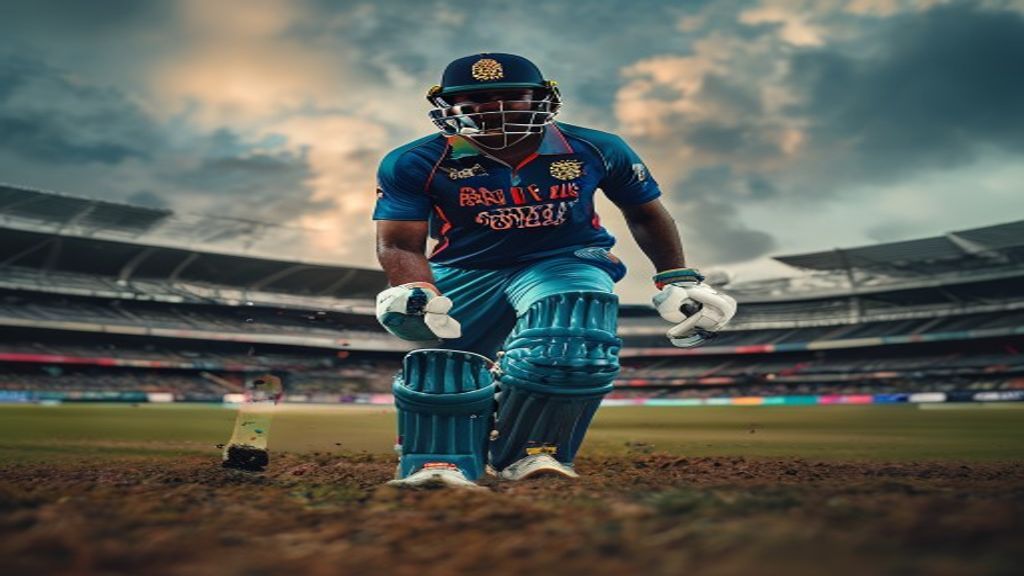

MUMBAI — Royal Challengers Bengaluru obliterated Mumbai Indians’ bowling attack to post 240 for 4 — the highest team total of IPL 2026 — cruising to a commanding 18-run victory at Wankhede Stadium on Saturday, April 12.
Three half-centuries from Phil Salt (78), Virat Kohli (50), and Rajat Patidar (53) powered RCB’s batting blitz on a flat Wankhede deck, leaving Mumbai’s bowlers searching for answers. In reply, Mumbai Indians managed 222 for 5, with Sherfane Rutherford’s unbeaten 71 proving a consolation rather than a rescue act. The result tightens the mid-season standings and raises fresh questions about Mumbai’s death-bowling resources as the tournament enters its decisive phase.
The Indian Premier League continues to deliver blockbuster entertainment during a packed April cricket calendar, with fans across South Asia juggling IPL and PSL schedules. Today’s action features Sunrisers Hyderabad taking on Rajasthan Royals at Hyderabad (8:00 PM PKT), while the Pakistan Super League 2026 runs concurrently with Multan Sultans facing Peshawar Zalmi in Karachi.
| Parameter | Details |
|---|---|
| Match Result | RCB 240/4 beat MI 222/5 by 18 runs |
| Top Scorer | Phil Salt — 78 runs |
| Half-Century Makers (RCB) | Salt (78), Patidar (53), Kohli (50) |
| MI’s Best | Sherfane Rutherford — 71* (not out) |
| Venue | Wankhede Stadium, Mumbai |
| Record | Highest team total of IPL 2026 (240/4) |
| Date | April 12, 2026 |
Situational Breakdown
From the first over, it was clear that Wankhede’s batting-friendly surface would offer little assistance to Mumbai’s bowlers. Phil Salt set the tone with aggressive stroke-play through the powerplay, racing to his fifty off just 28 balls. The England international’s calculated aggression — mixing orthodox drives with audacious scoops — ensured RCB never allowed Mumbai to settle into any rhythm. Salt’s 78 was the backbone of the innings, and his dismissal in the 16th over came too late for Mumbai to claw back control. — ESPNcricinfo
Virat Kohli, batting with the measured authority of a man who has scored more IPL runs than anyone in history, anchored the middle phase with a composed fifty. His partnership with Rajat Patidar added crucial momentum through the middle overs, with Patidar’s 53 ensuring there was no lull between the powerplay fireworks and the death-over carnage. The three-fifty haul represented a collective demolition job that left Mumbai’s bowling figures looking decidedly grim. — CricTracker
Mumbai’s chase, while valiant, was always playing catch-up against a record-breaking target. The required rate climbed above 12 an over by the halfway mark, and despite Sherfane Rutherford’s explosive unbeaten 71, the equation proved too steep. Mumbai finished on 222 for 5 — a total that would have won most other matches this season but fell 18 runs short against RCB’s onslaught. — Sunday Guardian
Salt’s Masterclass Sets the Standard
Phil Salt’s 78 was not merely a high score — it was a statement of intent from a player who has rapidly become one of T20 cricket’s most destructive openers. The Englishman’s ability to combine raw power with intelligent shot selection has made him a nightmare for opposition captains, and Saturday’s innings at Wankhede was a showcase of everything that makes him so dangerous.
“RCB’s top order was relentless — three fifties in one innings made it impossible for Mumbai to contain them.” — ESPNcricinfo
Salt’s presence at the top of the order has transformed RCB’s batting identity this season. Where previous campaigns saw the franchise lean heavily on Kohli’s individual brilliance, the 2026 edition boasts genuine depth across the top four. Salt’s strike rate and boundary percentage in the powerplay ranks among the best in IPL history, and his partnership dynamics with Kohli — one explosive, one anchoring — have given RCB a template that opposition teams have struggled to decode.
Kohli and Patidar: The Engine Room
Virat Kohli’s half-century may have been overshadowed by Salt’s pyrotechnics, but its importance to the innings structure cannot be overstated. Kohli’s ability to rotate strike, find boundaries in pressure moments, and maintain the scoring rate through the middle overs gave RCB the platform from which Patidar could launch. The former India captain’s continued excellence in the IPL, well into his late thirties, remains one of cricket’s most compelling narratives.
Rajat Patidar, meanwhile, has emerged as a genuine match-winner for RCB. His 53 was characterised by clean hitting through the leg side and a willingness to take on spinners, an area where RCB’s middle order has historically been vulnerable. The right-hander’s consistency this season suggests he has matured from a promising talent into a reliable run-scorer at the highest level of franchise cricket.
Rutherford’s Lone Stand Falls Short
In the Mumbai innings, Sherfane Rutherford provided the only sustained resistance against RCB’s bowling attack. The Guyanese all-rounder’s unbeaten 71 was a muscular display of Caribbean power-hitting — six-hitting that rattled the Wankhede stands and briefly gave Mumbai fans hope of an improbable comeback.
“Rutherford fought hard with 71 not out but RCB’s total was just too steep on a flat Wankhede deck.” — CricTracker
However, Rutherford’s heroics exposed a deeper problem in Mumbai’s batting order. The lack of support from the top and middle order meant that too much was left for too late. By the time Rutherford was in full flow, the asking rate had climbed beyond what even his extraordinary hitting could sustain. Mumbai’s inability to build partnerships against disciplined RCB bowling in the powerplay overs ultimately sealed their fate.
What 240 Means for the IPL Arms Race
RCB’s 240 for 4 is not just a scoreline — it is a marker of where T20 batting is headed in 2026. The combination of Impact Player rules, flat pitches, and boundary-rich grounds has created an environment where totals north of 220 are increasingly common, and teams without deep batting lineups are being left behind. For franchises still relying on traditional bowling-heavy strategies, this result is a sobering reminder that the sport’s shortest format continues to evolve at a breathtaking pace.
Mumbai Indians, five-time IPL champions, now face an urgent recalibration. Their bowling unit — once the most feared in the tournament — has conceded 200-plus totals multiple times this season, and the Wankhede surface that once served as a fortress has become a double-edged sword. As the business end of the tournament approaches, Mumbai’s think-tank must find solutions quickly or risk an early exit. Meanwhile, as fans across South Asia devour every ball of the IPL, many are also following other major developments — Bookme’s landmark deal for instant digital Umrah visas with Saudi Arabia has been generating significant buzz off the field.
🇵🇰 Pakistan Connection
The IPL’s blockbuster Saturday coincided with another packed day for Pakistani cricket fans, who are juggling two major T20 leagues simultaneously. The Pakistan Super League 2026 continues in parallel, with the Hyderabad Kingsmen successfully chasing down 153 in the day’s earlier PSL fixture. Later on Sunday, Multan Sultans face Peshawar Zalmi in Karachi in what promises to be another tightly contested encounter.
For cricket enthusiasts in Pakistan, April 2026 has become a non-stop spectacle. With the IPL and PSL overlapping, fans are consuming more cricket content than ever before — flipping between broadcasters and streaming services to catch both tournaments. The cross-pollination of talent, tactics, and fan engagement between the two leagues underscores the depth of cricketing passion across the subcontinent and has turned this month into one of the most exhilarating periods in the T20 calendar.
BolotoSai Assessment
RCB’s record-breaking 240 sends a clear message to the rest of the IPL: their batting lineup is the most potent in the 2026 tournament. With Salt providing explosive starts, Kohli delivering consistency, and Patidar offering middle-order firepower, RCB possess the depth to post match-winning totals on any surface. If their bowling can maintain discipline in high-pressure chases — as it did against Mumbai — they are genuine contenders for the title.
Three outcomes to watch going forward. First, Mumbai Indians must urgently address their death-bowling crisis — conceding 240 at home is a red flag that no amount of batting talent can paper over. Second, Phil Salt’s form trajectory will be critical for RCB; if he maintains this level through the playoffs, he could be the tournament’s Most Valuable Player. Third, the broader trend of 220-plus totals becoming routine should force all franchises to reconsider their auction strategies for future seasons, prioritising batting depth over specialist bowling stocks.
For fans and analysts alike, this match at Wankhede will be remembered as a defining moment of IPL 2026 — the night RCB proved that the ceiling for T20 scoring has not yet been found.

 By
By



 By
By