
ISLAMABAD — Pakistan is set to host what could be the most consequential diplomatic engagement of 2026 when American and Iranian delegations sit across the table in Islamabad on Friday, April 10, for ceasefire negotiations aimed at ending weeks of devastating military conflict that has rattled global energy markets and reshaped Middle Eastern geopolitics.
The talks follow a fragile two-week ceasefire brokered through the personal diplomacy of Prime Minister Shehbaz Sharif, who leveraged Pakistan’s unique position as a nation maintaining functional relationships with both Washington and Tehran. US Vice President JD Vance will lead the American delegation, while Iran’s Parliament Speaker Mohammad Bagher Ghalibaf heads Tehran’s negotiating team. The stakes could not be higher: six weeks of US-Israeli military strikes on Iranian targets disrupted global shipping lanes, pushed oil prices above $113 per barrel, and triggered cascading economic pain across developing nations. Yet even as diplomats prepare to convene, Tehran has accused Washington of breaching three clauses of the ceasefire agreement, casting a long shadow over the negotiations before they have even begun.
| Parameter | Details |
|---|---|
| Host & Mediator | PM Shehbaz Sharif, Pakistan |
| US Delegation Lead | Vice President JD Vance |
| Iran Delegation Lead | Parliament Speaker Mohammad Bagher Ghalibaf |
| Talks Date & Location | Friday, April 10, 2026 — Islamabad |
| Ceasefire Duration | Two weeks (brokered via encrypted backchannel diplomacy) |
| Oil Price Impact | Above $113/barrel during conflict peak |
| Ceasefire Status | Fragile — Iran alleges three clause breaches |
Situational Breakdown
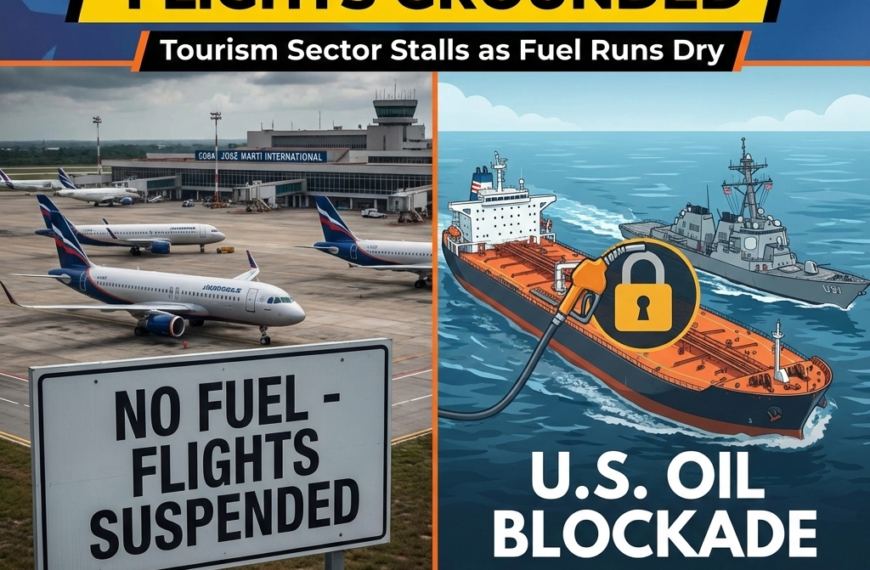
The road to Islamabad has been paved with six weeks of intense military confrontation. Beginning in late February, a coordinated US-Israeli campaign of airstrikes targeted Iranian military installations, nuclear research facilities, and strategic infrastructure. The strikes disrupted critical shipping routes through the Strait of Hormuz, sending shockwaves through global energy supply chains and forcing insurers to impose war-risk premiums on vessels transiting the Persian Gulf. Oil prices, which had been trading in the mid-$80s range, surged past $113 per barrel within weeks, inflicting economic pain on oil-importing nations across Asia and Africa. — Bloomberg
It was against this backdrop of escalating destruction that PM Sharif launched what diplomatic sources describe as an extraordinary backchannel mediation effort. According to reporting by Al Jazeera, Sharif leveraged longstanding personal relationships with officials in both capitals, using WhatsApp to communicate with Tehran and Signal with Washington — a dual-track encrypted messaging strategy that bypassed traditional diplomatic channels and allowed for rapid, informal negotiations. The resulting ceasefire, announced two weeks ago, was hailed as a breakthrough, though analysts cautioned that the absence of a formal written agreement left significant room for disagreement over its terms. — Al Jazeera
That caution has proven prescient. In the days since the truce took effect, Iran’s parliament speaker has publicly accused the United States of contravening three specific clauses of the ceasefire proposal. While the precise nature of these alleged breaches has not been disclosed in full, Bloomberg reported that they relate to continued surveillance overflights, sanctions enforcement actions, and the positioning of naval assets in the Gulf — activities Washington maintains are consistent with existing security operations rather than violations of the truce. — Bloomberg
The Mediator’s Gambit: Pakistan’s Diplomatic Masterstroke
Pakistan’s emergence as the mediator in a US-Iran conflict represents a remarkable pivot for a nation more commonly associated with receiving diplomatic pressure than applying it. Islamabad’s unique position stems from geography and history: Pakistan shares a 959-kilometre border with Iran and has maintained economic and cultural ties with Tehran even during periods of maximum US pressure, while simultaneously hosting American military logistics operations and receiving billions in coalition support funds over the past two decades.
PM Sharif’s personal diplomatic style — described by advisers as patient, persistent, and pragmatic — appears to have been the critical variable. His willingness to operate outside formal diplomatic structures, communicating directly with decision-makers through commercial messaging platforms, reflects a broader shift in how 21st-century diplomacy operates.
“Pakistan’s PM Sharif used his longstanding relationships with both nations, shuttling messages via WhatsApp with Tehran and Signal with Washington to broker the deal.” — Al Jazeera
The choice of Islamabad as the venue is itself a diplomatic statement. By hosting both delegations on Pakistani soil, Sharif has positioned his country as an indispensable actor in Middle Eastern security architecture — a role traditionally monopolised by Gulf states, Turkey, and European powers.
The Delegations: Vance and Ghalibaf Face Off
The composition of the two delegations reveals much about each side’s approach to the negotiations. Washington’s decision to send Vice President JD Vance signals that the Trump administration views the talks as a serious diplomatic engagement rather than a preliminary diplomatic exercise. Vance, who has publicly advocated for reducing American military commitments in the Middle East, may bring a more transactional perspective to the negotiations — one focused on achievable security guarantees rather than the broader political demands that have historically derailed US-Iran engagement.
Tehran’s choice of Ghalibaf is equally telling. As parliament speaker and a former presidential candidate with strong ties to Iran’s Islamic Revolutionary Guard Corps, Ghalibaf represents the pragmatic conservative wing of Iran’s political establishment. His presence suggests Tehran is prepared to engage substantively, though his public warnings about ceasefire breaches indicate he will arrive in Islamabad with a list of grievances.
“Iran’s parliament speaker said three clauses of the ceasefire proposal have been contravened so far, casting doubt on the truce’s durability.” — Bloomberg
The Economic Fallout: Oil, Inflation, and Global Supply Chains
Beyond the immediate security dimensions, Friday’s talks carry enormous economic implications. The six weeks of conflict sent tremors through every corner of the global economy. Oil prices above $113 per barrel translated into punishing fuel cost increases for consumers worldwide, with particularly severe consequences for developing nations already struggling with post-pandemic inflationary pressures. Global shipping was rerouted away from the Persian Gulf, adding billions in logistics costs and extending delivery times for everything from consumer electronics to grain shipments.
The conflict’s economic impact has also underscored how rapidly localised military action can cascade into global systemic risk. Much as the world has been pursuing technological solutions to reduce energy dependency — with researchers recently slashing AI training energy use by 100 times — the fundamental vulnerability of hydrocarbon supply chains to geopolitical disruption remains a defining feature of the global economy. A successful outcome in Islamabad could begin to unwind these pressures, but analysts warn that even a return to pre-conflict oil prices would take months to filter through to consumer-level costs.
The Fragile Truce: Three Breaches and Counting
The most immediate threat to Friday’s talks is the growing dispute over the ceasefire’s terms. Tehran’s accusation that three clauses have been breached creates a dangerous dynamic in which Iran’s delegation may arrive at the table already questioning Washington’s good faith. The informal nature of the original agreement — negotiated through encrypted messaging apps rather than formal diplomatic channels — means there is no universally agreed-upon text to adjudicate disputes.
This ambiguity could prove either a liability or an asset. On one hand, the absence of a rigid written framework means both sides can interpret their obligations differently, breeding mistrust. On the other, the same flexibility could allow negotiators in Islamabad to redefine the terms in real time, incorporating the lessons of the past two weeks into a more durable arrangement. Much will depend on whether PM Sharif can maintain his role as an honest broker, managing expectations on both sides while keeping the process moving forward.
🇵🇰 Pakistan Connection
Pakistan sits at the very centre of this global story, and the implications for ordinary Pakistanis extend far beyond diplomatic prestige. The conflict’s impact on global energy markets has hit the country with devastating force: petrol prices have surged by 42.7 percent since the crisis began, squeezing household budgets and driving up transportation and food costs across the nation. The situation threatens to worsen further, as the disruption to global LNG shipping routes has imperilled Pakistan’s liquefied natural gas imports, raising the spectre of severe gas shortages heading into the summer months.
For Islamabad, successfully hosting and mediating these talks represents a once-in-a-generation opportunity to reshape Pakistan’s international image. A nation frequently characterised in Western media through the lens of instability and extremism would instead be seen as a capable diplomatic actor solving one of the world’s most dangerous crises. PM Sharif’s government is keenly aware of this, and the extensive security and logistical preparations underway across the capital reflect both the practical demands and the symbolic weight of Friday’s gathering.
BOLOTOSAI Assessment
Friday’s talks in Islamabad represent a genuine inflection point, but observers should temper expectations with a clear understanding of the obstacles ahead. Three scenarios merit close attention.
First, a framework agreement emerges. If Vance and Ghalibaf can agree on a formalised ceasefire text that addresses Tehran’s breach allegations and establishes a verification mechanism, the talks could produce a preliminary framework within days. This would likely stabilise oil markets, ease shipping disruptions, and give PM Sharif a historic diplomatic achievement. The probability remains moderate at best, given the depth of mutual distrust.
Second, talks continue without resolution. The more likely outcome is that Friday’s session opens a longer negotiating process — one that extends the ceasefire on a rolling basis while substantive issues are hashed out over weeks or months. This scenario preserves the fragile peace but leaves markets uncertain and Pakistan bearing the ongoing costs of hosting a protracted diplomatic process.
Third, the truce collapses. If Tehran concludes that Washington is not negotiating in good faith — particularly given the alleged ceasefire breaches — Ghalibaf could walk away from the table, triggering a resumption of hostilities and sending oil prices into uncharted territory. This scenario would be catastrophic not only for the immediate region but for the global economy at large.
What to watch: the first 24 hours after the delegations arrive will be critical. Body language, public statements, and whether both sides agree to extend the ceasefire beyond its current window will tell us more than any official communiqué. Pakistan has placed itself at the centre of history. Whether that proves to be a triumph or a burden depends entirely on what happens inside the room on Friday.

 By
By


 By
By