
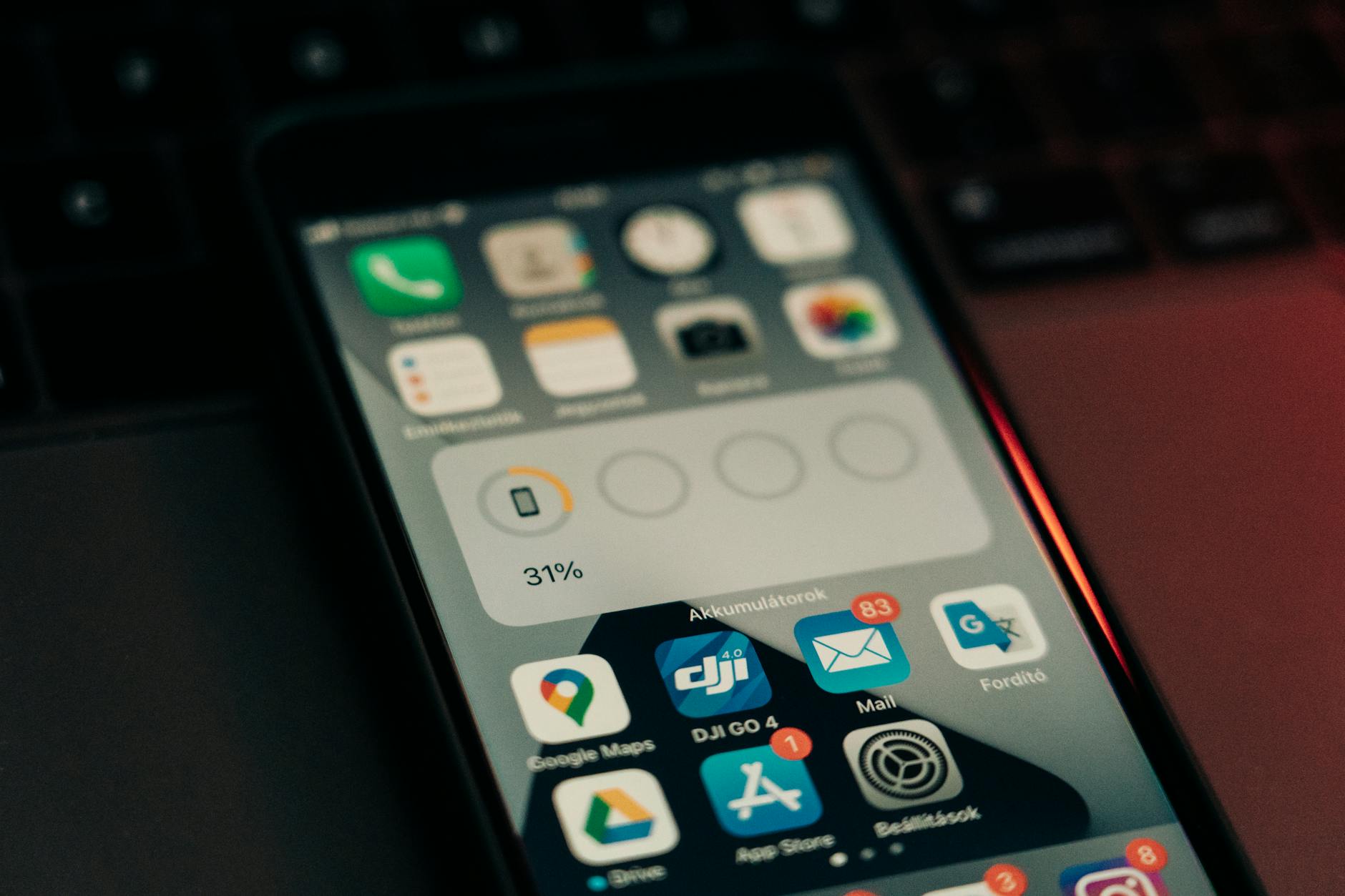

CUPERTINO — Apple has removed the AI-powered app-building tool “Anything” from its App Store, marking a decisive escalation in the tech giant’s enforcement against so-called vibe coding applications that allow users to generate functional software through natural language prompts.
The removal, which took place on March 26, 2026, came after months of tension between Apple and Anything’s co-founder Dhruv Amin over the app’s compliance with App Store guidelines. Apple cited Guideline 2.5.2, which explicitly prohibits apps from downloading, installing, or executing code that changes their features or functionality — a rule that strikes at the very heart of what vibe coding tools are designed to do. The crackdown signals a broader reckoning between Apple’s walled-garden philosophy and the rapidly expanding universe of AI-powered development platforms that promise to democratize software creation.
Anything had launched in November 2025 to considerable fanfare, raising $11 million at a $100 million valuation. The app allowed anyone — regardless of technical expertise — to describe an application in plain language and watch as artificial intelligence transformed their words into working mobile software. For weeks, it operated without issue on the App Store. Then, in December 2025, Apple began blocking updates, initiating a slow-motion standoff that culminated in the app’s complete removal. The case has become a flashpoint in the debate over how much control platform gatekeepers should exert over AI innovation, and whether legacy rules written for a pre-AI era can fairly govern the tools of tomorrow.
| Parameter | Details |
|---|---|
| App Name | Anything |
| Co-Founder | Dhruv Amin |
| Funding | $11 million raised at $100 million valuation |
| Launch Date | November 2025 |
| Removal Date | March 26, 2026 |
| Cited Violation | App Store Guideline 2.5.2 (code execution prohibition) |
| Current Status | Removed from App Store; compliance attempts rejected |
SITUATIONAL BREAKDOWN
The conflict between Apple and Anything centers on a fundamental incompatibility: vibe coding, by its very nature, involves generating and executing code dynamically within an application. Apple’s Guideline 2.5.2 was designed to prevent apps from altering their own behavior after passing App Store review — a security measure intended to stop developers from sneaking in unapproved features. But for an app whose entire purpose is to create new software on the fly, complying with this rule is akin to a restaurant being told it can exist but cannot serve food. The guideline predates the AI coding revolution, and critics argue it was never intended to address tools like Anything. — MacRumors
Amin did not go quietly. After Apple began blocking updates in December, he submitted a revised version of the app that would allow vibe-coded applications to be previewed in a web browser rather than executed within the app itself — a creative workaround designed to satisfy the letter of Guideline 2.5.2 while preserving the core user experience. Apple rejected the update and proceeded to pull the app entirely, suggesting that the company views the fundamental concept of AI-generated app creation as incompatible with its platform rules, not merely the specific implementation. — The Information
The timeline is telling. Anything launched in November and faced no pushback for weeks, suggesting either that Apple’s initial review missed the implications of the app’s functionality or that the company’s enforcement posture shifted after the app gained traction and media attention. Either explanation raises questions about the consistency and predictability of Apple’s review process — a concern shared by developers across the ecosystem who depend on clear, stable rules to build their businesses. — 9to5Mac
The Guideline at the Center of the Storm
Apple’s Guideline 2.5.2 is unambiguous in its language:
“Apps should be self-contained in their bundles, and may not download, install, or execute code which introduces or changes features or functionality.” — Apple (Guideline 2.5.2)
This rule has long been a cornerstone of Apple’s security model. By requiring apps to be self-contained, Apple ensures that every feature available to users has been reviewed and approved before distribution. The guideline has historically been applied to prevent malicious code injection and unauthorized feature additions. But in the age of generative AI, it has become a blunt instrument that makes no distinction between a bad actor hiding malware and a legitimate tool that empowers users to create.
The question now is whether Apple will update its guidelines to accommodate AI-powered creation tools or whether it will double down on enforcement. Industry analysts have noted that maintaining rigid enforcement risks pushing innovation off Apple’s platform entirely, potentially benefiting Android and web-based alternatives.
The Rise and Fall of a $100 Million Startup
Anything’s trajectory illustrates both the promise and peril of building on someone else’s platform. In just weeks, the app captured the imagination of a public increasingly fascinated by AI’s creative potential. Its $11 million raise at a $100 million valuation reflected investor confidence that vibe coding represented the next frontier of software development — a world where the ability to describe what you want would matter more than the ability to write code.
That confidence now faces a severe test. Without access to iOS users — who represent a disproportionately affluent and engaged consumer base — Anything must either find an alternative distribution strategy, pivot to web-based delivery, or mount a legal and public relations campaign to pressure Apple into changing its stance. As BBC Technology has reported, the broader AI app ecosystem is watching closely, as the outcome will set precedent for dozens of similar tools in development.
Vibe Coding and the Platform Power Question
The Anything removal arrives at a moment when platform governance is under intense global scrutiny. The European Union’s Digital Markets Act, the ongoing antitrust actions against Apple in the United States, and the accelerating integration of AI into every sector from defense to consumer apps have created an environment in which Apple’s gatekeeping decisions carry outsized significance. Every app Apple removes is now viewed through a regulatory lens.
Vibe coding itself is not going away. The underlying technology — large language models capable of generating functional code from natural language descriptions — continues to improve rapidly. If Apple’s rules cannot accommodate these tools, developers will simply route around the App Store, using progressive web apps, sideloading (where permitted), or competing platforms. The question is not whether vibe coding will survive Apple’s crackdown, but whether Apple’s App Store will remain the dominant venue for software distribution in an AI-native world.
Developer Community Response
The developer community’s reaction has been sharply divided. Security-conscious developers have largely supported Apple’s enforcement, arguing that dynamic code execution represents a genuine attack surface that could be exploited by malicious actors. If any app can generate and run arbitrary code on a user’s device, the argument goes, the security guarantees that make iOS attractive to consumers begin to erode.
“Amin submitted an update that would allow vibe-coded apps to be previewed in a web browser instead of in the app to attempt to comply with the 2.5.2 rule, but Apple blocked the update and pulled the app.” — Juli Clover, MacRumors
On the other side, innovation-focused developers see the removal as evidence that Apple’s review process is fundamentally ill-equipped to handle the AI era. They point to the fact that Apple approved Anything initially, only to reverse course months later — a pattern that creates uncertainty for any developer building AI-powered tools. The Guardian has noted that this uncertainty may have a chilling effect on AI startup investment, particularly for companies whose products depend on App Store distribution.
🇵🇰 WHAT THIS MEANS FOR PAKISTAN
Pakistan’s rapidly growing technology sector has a direct stake in how platform gatekeepers regulate AI development tools. The country’s freelance developer community — the fourth largest in the world — has increasingly embraced AI-assisted coding as a means of competing in global markets. Vibe coding tools like Anything represent a potential equalizer, allowing Pakistani entrepreneurs and small teams to prototype and deploy applications without the large engineering teams that Western competitors take for granted. Apple’s crackdown on such tools threatens to limit access to precisely the kind of innovation accelerators that developing tech ecosystems need most.
Moreover, Pakistan’s nascent app development industry relies heavily on iOS as a revenue-generating platform, given the higher average spending of iPhone users globally. If AI-powered development tools are systematically excluded from the App Store, Pakistani developers who lack the resources to build traditional apps from scratch may find themselves locked out of the most lucrative mobile marketplace. The Pakistani government’s Digital Pakistan initiative, which aims to expand the country’s technology exports, should be closely monitoring this precedent.
There is also an opportunity here. If Apple’s enforcement pushes vibe coding tools toward the open web, Pakistan’s strong web development talent pool could benefit. The country could position itself as a hub for AI-powered web application development, bypassing App Store restrictions entirely and serving global clients through browser-based solutions.
BOLOTOSAI ASSESSMENT
Apple’s removal of Anything is unlikely to be the final word. Three scenarios are now in play, and the outcome will shape the AI development landscape for years to come.
First, Apple may quietly update Guideline 2.5.2 to create a carve-out for AI-powered creation tools, imposing sandboxing requirements and review mechanisms rather than blanket prohibition. This is the most likely outcome over the next 12 months, particularly as regulatory pressure mounts and competitors capitalize on Apple’s rigidity. Second, Anything and similar startups may abandon native app distribution entirely, embracing progressive web apps and browser-based experiences that operate outside Apple’s jurisdiction. This would accelerate the already-growing trend toward web-based AI tools and could diminish the App Store’s relevance in the AI era. Third, the case could become a catalyst for regulatory action, with antitrust authorities citing the removal as evidence that Apple uses its platform control to suppress innovative competitors.
What to watch: Amin’s next move — whether he pursues legal action, pivots to web delivery, or negotiates behind the scenes — will signal which path the broader vibe coding industry will follow. Investors, developers, and regulators are all paying attention. The age of AI-generated applications has arrived; the only question is which platforms will be smart enough to embrace it.


 By
By



 By
By