
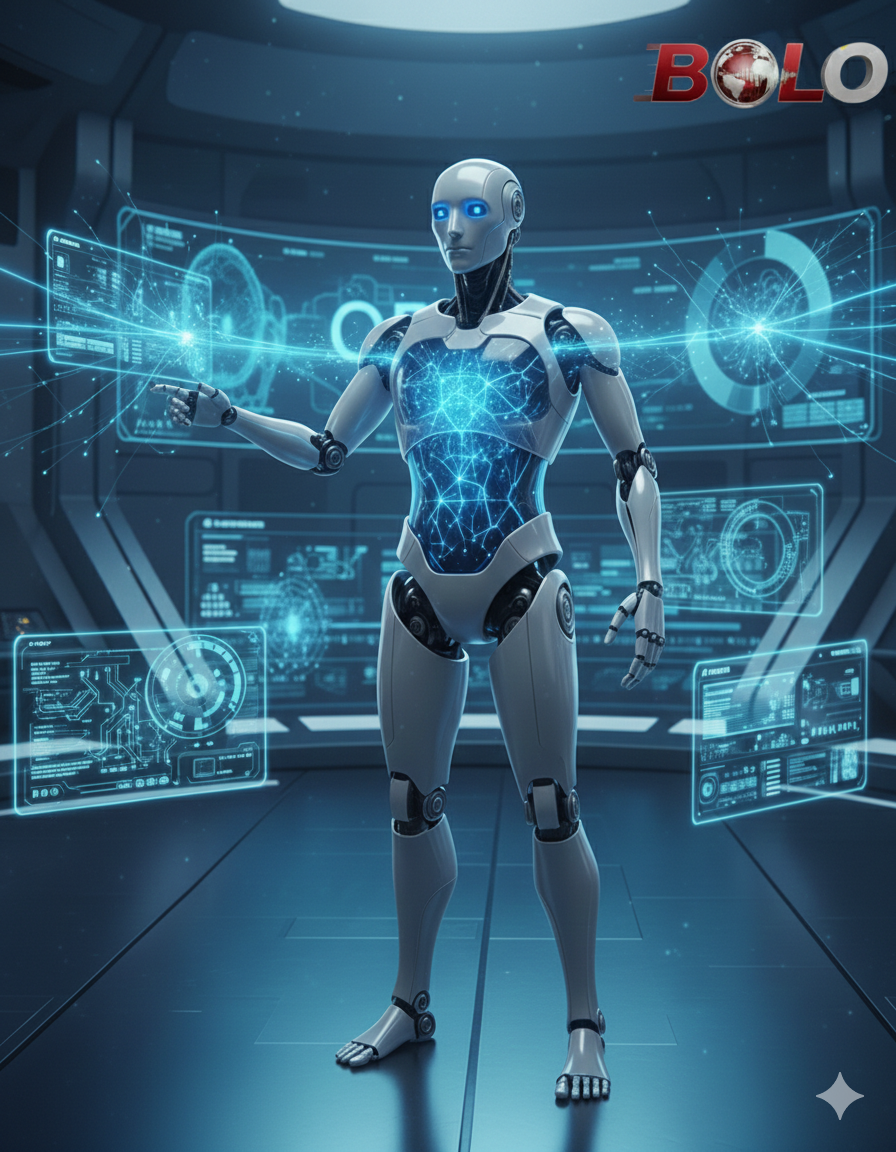

In a breakthrough that feels plucked straight from a sci-fi script, robotics startup Figure has released a Figure 01 video demonstration of its humanoid robot, Figure 01, seamlessly interacting with a human using advanced AI models from OpenAI. The footage offers a glimpse of a future where robots don’t just follow commands but also understand context, explain their reasoning, and adapt to their environment in real time.
From Scripted Motions to Spontaneous Interactions
For years, robotics demonstrations have largely followed the same formula: highly choreographed movements in controlled environments. If something deviated from the expected path, the machine would often fail spectacularly. Figure’s latest demo shatters that mold.
In the video, a human engages the Figure 01 robot in a surprisingly natural conversation. When asked, “What do you see right now?” the robot doesn’t just scan the room; it processes the visual data and delivers a coherent, descriptive answer, noting the presence of a red apple on a plate, a drying rack with a cup, and the human standing nearby.
“I Gave You the Apple”: A Robot That Explains Its Reasoning
The most compelling moment arrives when the human requests, “Can I have something to eat?” Without hesitation, Figure 01 navigates the table, picks up the sole apple, and hands it over. But it doesn’t stop there.
When asked why it chose the apple, the robot calmly explains, “I gave you the apple because it was the only edible item I could provide you with on the table.” This moment of reasoning distinguishing an apple from a non-edible drying rack or cup showcases a level of contextual awareness that has long eluded roboticists.
The Brains Behind the Brawn: How OpenAI Powers Figure 01
So, how does this robot move from passive observation to active, helpful assistance? According to Figure, the magic lies in the integration of OpenAI’s visual reasoning and language understanding models.
The robot’s cameras feed visual data directly into a large language model (LLM) trained on vast amounts of text and images. This allows Figure 01 to not only identify objects but also understand abstract concepts like “edible” and “food.” The neural networks handle the high-level reasoning and conversation, while Figure’s low-level controllers execute the precise, real-world motor skills required to pick up the delicate fruit without crushing it.
A Giant Leap Toward the Droids We Always Imagined
Watching the interaction, it’s hard not to draw comparisons to beloved science fiction characters. The fluidity of the conversation, coupled with the physical execution, evokes memories of C-3PO from Star Wars: a droid designed to assist humans in a natural, almost personable way.
This demonstration suggests that we are rapidly approaching a tipping point in robotics. The gap between understanding language and manipulating the physical world is closing fast. For Figure, this is just the beginning. The company aims to deploy these versatile humanoids in industrial settings first, with the long-term goal of integrating them into homes to assist with chores, caregiving, and beyond.

 By
By



 By
By