
LOS ANGELES — Netflix is set to premiere Stranger Things: Tales from 85, an animated spinoff of its blockbuster sci-fi franchise, on April 23, 2026, marking a bold new chapter for one of the most successful original series in streaming history.
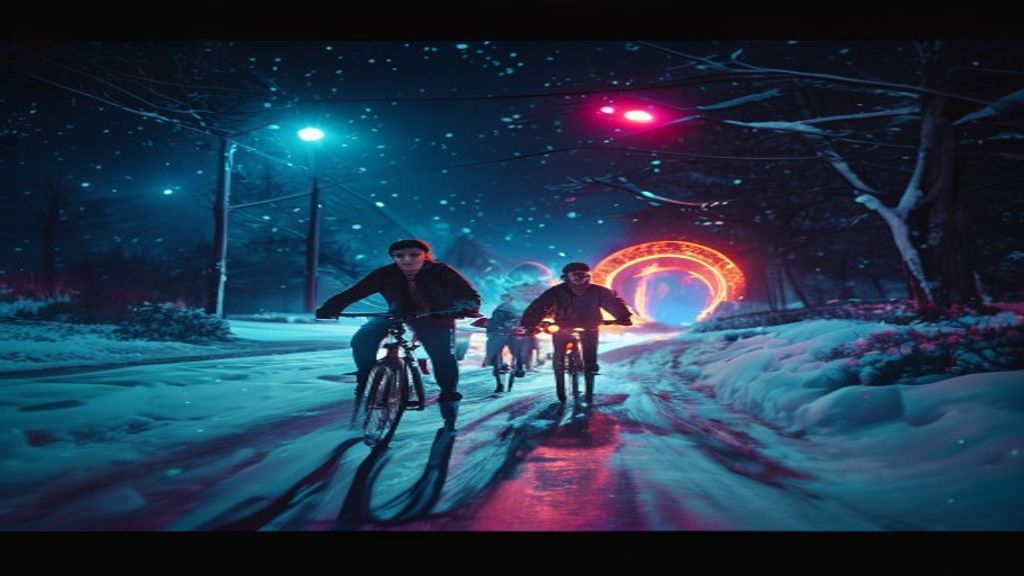
The announcement has generated significant buzz among fans and industry observers alike. The animated series, developed with direct involvement from franchise creators Matt and Ross Duffer, takes viewers back to the fictional town of Hawkins, Indiana, during the winter of 1985. Produced by Australia-based Flying Bark Productions, the show bridges the narrative gap between seasons two and three of the original live-action series. The first two episodes received an early theatrical screening on April 18 in select cinemas across the United States, drawing enthusiastic reactions from audiences who caught the preview.
| Parameter | Details |
|---|---|
| Series Title | Stranger Things: Tales from 85 |
| Premiere Date | April 23, 2026 |
| Creators | Matt and Ross Duffer (The Duffer Brothers) |
| Production Studio | Flying Bark Productions |
| Setting | Hawkins, Indiana — Winter 1985 |
| Timeline Placement | Between Seasons 2 and 3 of the original series |
| Target Audience | Family-friendly; broader than original series |
Situational Breakdown
Stranger Things: Tales from 85 follows the core group of beloved characters — Eleven, Mike Wheeler, Will Byers, Lucas Sinclair, Dustin Henderson, and Max Mayfield — as they confront fresh supernatural threats emanating from the Upside Down. Unlike the live-action series, which progressively escalated in horror intensity across its four seasons, the animated version adopts a distinctly lighter tone. Early reviews and press materials describe the visual style and storytelling approach as heavily inspired by the Saturday morning cartoons of the 1980s, a deliberate creative choice that aligns the show with the nostalgic DNA that made the franchise a cultural phenomenon in the first place. — Screen Rant
The decision to premiere the first two episodes in theaters before the streaming launch represents an increasingly common strategy among major platforms seeking to generate event-level excitement for new content. The theatrical screenings on April 18 served as both a marketing tool and a litmus test for audience reception, and early reports suggest the gambit paid off, with sold-out showings and positive social media chatter dominating fan forums in the days since. — Collider
Netflix’s commitment to expanding the Stranger Things universe through animation also signals the platform’s broader ambitions for its most valuable intellectual property. With the live-action series approaching its highly anticipated fifth and final season, the streamer appears determined to ensure that the world of Hawkins continues to generate subscriber engagement well beyond the conclusion of the original storyline. — Netflix Tudum
The Duffer Brothers’ Vision for Animation
At the heart of the spinoff’s creative direction lies the Duffer Brothers’ desire to revisit the cultural touchstones that originally inspired Stranger Things. The franchise has always drawn heavily from the films, music, and pop culture of the 1980s, and the animated format offers an opportunity to lean even further into that aesthetic.
“The Duffers wanted to capture the spirit of an 80s Saturday morning cartoon within the Stranger Things universe.”
This quote, reported by Screen Rant, encapsulates the creative thesis behind the project. By embracing the visual language of classic animated shows like Thundercats, He-Man, and G.I. Joe, the Duffers are not merely producing a companion piece to their live-action hit — they are constructing a love letter to the era that birthed their storytelling sensibilities. The involvement of Flying Bark Productions, known for their work on animated properties with strong visual identities, further underscores the seriousness with which the creative team has approached the project.
A Strategic Play for Wider Audiences
Perhaps the most commercially significant aspect of Tales from 85 is its deliberately family-friendly positioning. The original Stranger Things series, while enormously popular, carried content warnings that placed it firmly in the teen-and-above category, with its depictions of body horror, psychological trauma, and graphic supernatural violence limiting its accessibility to younger viewers.
“Netflix and press describe the animated series as entry-level Stranger Things, suitable for a wider audience including families.”
This characterisation, noted by the Washington Post, reveals a calculated effort by Netflix to lower the franchise’s age barrier without diluting its brand identity. By offering a version of Hawkins that parents can comfortably watch with their children, the streaming giant is effectively doubling the potential audience for one of its flagship properties. In an era of intensifying competition among streaming services, such audience expansion strategies are not merely desirable — they are essential for sustaining subscriber growth.
The Animation Boom in Streaming
The launch of Tales from 85 arrives at a moment when animated content is experiencing something of a renaissance across the streaming landscape. Major platforms have invested heavily in animation over the past two years, recognising that the medium offers distinct advantages in terms of production flexibility, international appeal, and audience longevity. Animated series often enjoy longer shelf lives than their live-action counterparts, continuing to attract new viewers years after their initial release.
For Netflix specifically, animation represents a critical pillar of its content strategy. The platform has poured resources into animated features and series aimed at various demographics, and attaching the Stranger Things brand to an animated project lends the medium additional prestige within the Netflix ecosystem. The move also mirrors strategies employed by other entertainment conglomerates — Disney’s expansion of Star Wars and Marvel into animation being the most obvious parallel. In a landscape where animation is increasingly recognised as prestige content, Netflix’s bet on an animated Stranger Things feels both timely and strategically sound.
Building the Stranger Things Universe
With the final season of the live-action Stranger Things series generating enormous anticipation, Netflix faces a familiar challenge: how to maintain the commercial momentum of a franchise whose flagship product is approaching its conclusion. The animated spinoff is one answer to that question, but it is unlikely to be the only one. Industry analysts have long speculated about the possibility of additional spinoffs, whether live-action or animated, that could explore different time periods, characters, or corners of the Upside Down mythology.
The Tales from 85 approach — setting the story within a known timeline and featuring established characters — represents the safest possible entry point for franchise expansion. If the animated series performs well, it could open the door to more ambitious storytelling experiments within the Stranger Things universe. If it underperforms, the damage to the broader brand remains contained. For Netflix, which has historically struggled to build the kind of interconnected fictional universes that Disney and Warner Bros. manage so effectively, this measured approach to franchise building reflects lessons learned from earlier missteps.
🇵🇰 Pakistan Connection
Stranger Things commands a devoted following in Pakistan, particularly among young urban subscribers in cities like Karachi, Lahore, and Islamabad where Netflix penetration has grown steadily. The franchise’s blend of nostalgia, horror, and coming-of-age storytelling resonates strongly with Pakistani millennials and Gen Z viewers who have embraced streaming as their primary entertainment medium. The animated spinoff’s family-friendly approach could significantly broaden its appeal within Pakistani households, where co-viewing across generations remains a dominant consumption pattern.
As Pakistan continues to develop its digital entertainment infrastructure — a trajectory underscored by initiatives like the country’s $1 billion AI infrastructure investment plan — the growing appetite for global streaming content among Pakistani audiences represents both a cultural shift and a commercial opportunity for platforms like Netflix seeking to deepen their footprint in South Asian markets.
BolotosAI Assessment
The premiere of Stranger Things: Tales from 85 this week will serve as an important test case for Netflix’s franchise expansion ambitions. Several outcomes bear watching in the weeks ahead.
First, viewer reception data — particularly completion rates and new subscriber acquisition tied to the premiere — will determine whether Netflix greenlights additional animated entries in the Stranger Things universe. If the series attracts a meaningfully younger demographic without alienating the existing fanbase, expect announcements of further animated projects before the end of 2026.
Second, the critical response to the show’s tonal shift will shape how other streaming platforms approach the animation of their own live-action properties. A successful transition from horror-adjacent drama to family-friendly animation would provide a template that competitors will rush to replicate with their own flagship franchises.
Third, and perhaps most importantly, the performance of Tales from 85 will offer insights into whether the Stranger Things brand can sustain commercial relevance beyond the conclusion of its original series. For Netflix, which has bet heavily on original intellectual property as its competitive differentiator, the answer to that question carries implications that extend far beyond a single animated show. The streaming wars are no longer just about content volume — they are about which platforms can build enduring fictional worlds that audiences return to year after year. This week, Hawkins opens its doors once more. The question is whether viewers, old and new, will walk through them.

 By
By


 By
By