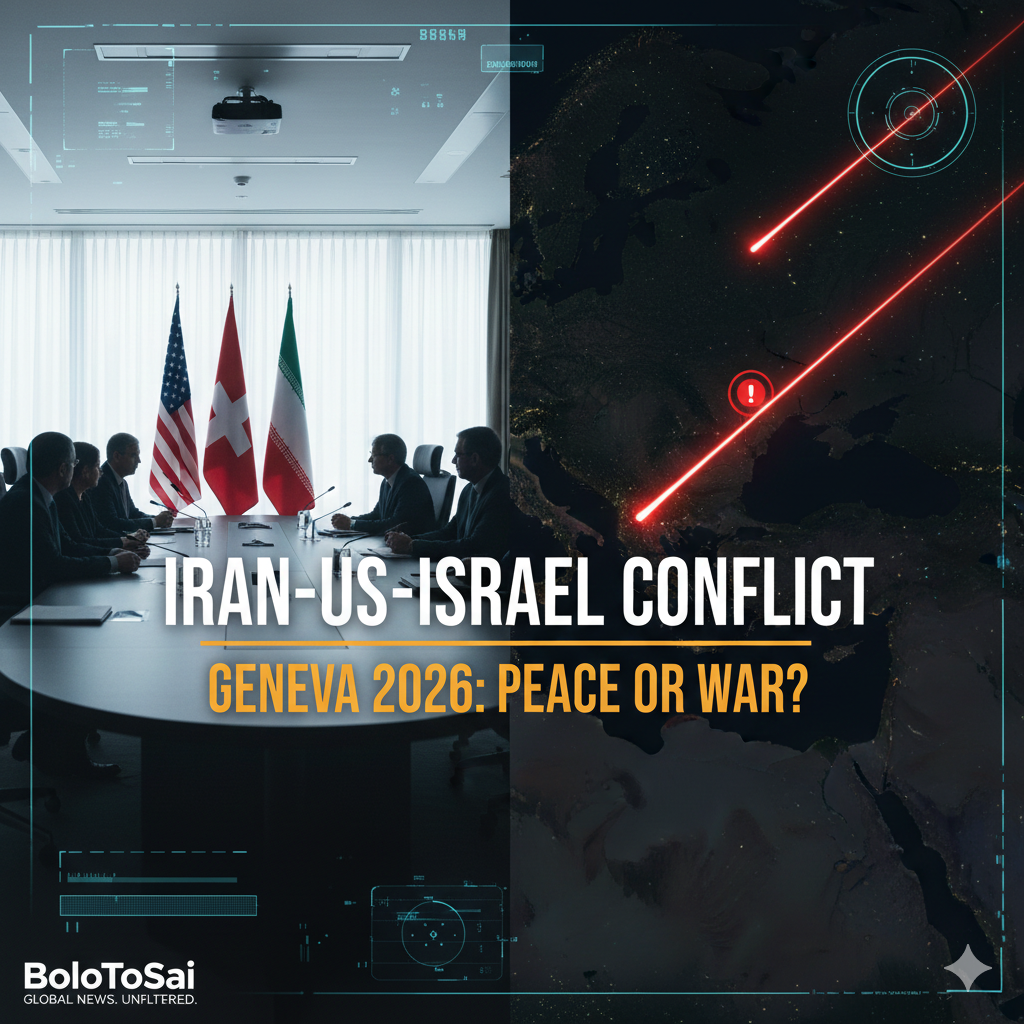

Written by Wajid | BoloToSai.com
GENEVA – The clock is ticking on Middle Eastern stability as high-level nuclear negotiations between the United States and Iran resumed today in Switzerland. While diplomats seek a breakthrough, the threat of a full-scale regional conflict remains at an all-time high following the “12-Day War” of June 2025 and recent provocations in the Strait of Hormuz.
The Current Situation: Talks Under Fire
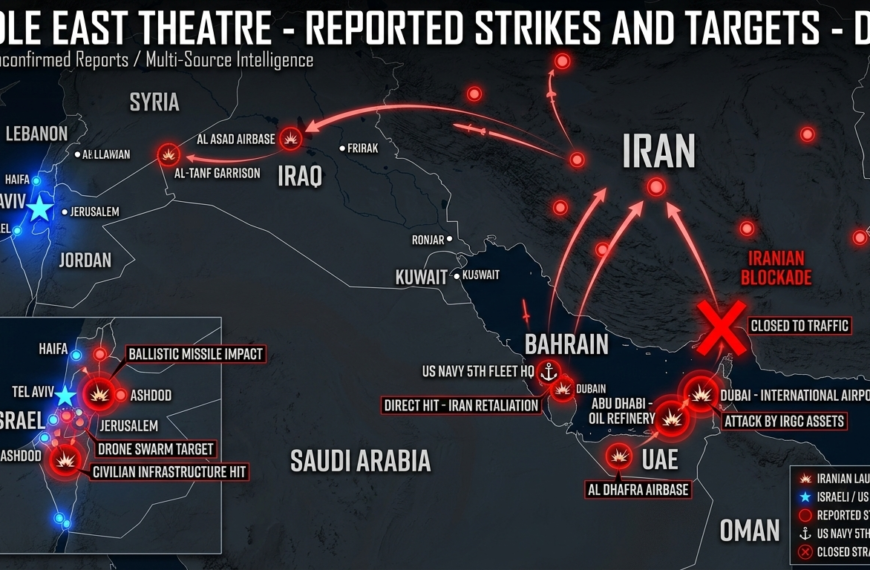
Today, February 17, 2026, Iranian Foreign Minister Abbas Araghchi met with U.S. envoys Steve Witkoff and Jared Kushner for the second round of “Geneva 2026” talks. The atmosphere is tense; just as the meeting began, Tehran announced it was temporarily closing the Strait of Hormuz for “live-fire missile drills,” a move that sent global oil prices surging.
The U.S. has countered this by positioning a second aircraft carrier strike group in the region, signaling that while President Trump wants a “Great Deal,” he is fully prepared for a “Great Strike.”
The Three Friction Points
- The Nuclear “Red Line”: The U.S. and Israel demand the total dismantling of Iran’s nuclear infrastructure. Iran, however, has only offered to limit enrichment to 1.5% in exchange for the immediate lifting of all economic sanctions.
- The Missile Program: Israel’s Benjamin Netanyahu is pressuring the White House to include Iran’s ballistic missile program in any deal. Iran has called this a “sovereign red line” and refuses to negotiate on its defense capabilities.
- The Domestic Factor: Iran is still reeling from massive anti-government protests in early 2026. The U.S. has reportedly sent thousands of Starlink kits to Iranian dissidents, a move Tehran views as an act of “digital war.”
Peace or War: What Happens Next?
- The Case for Peace: President Trump is reportedly eager to secure a signature foreign policy win and has hinted at a “Board of Peace” framework for the Middle East. If the U.S. releases frozen Iranian assets, a temporary “non-aggression pact” could be signed by April 2026.
- The Case for War: Israel remains skeptical of any diplomatic solution. Recent intelligence suggests Iran is rapidly rebuilding its “Pickaxe Mountain” facility south of Natanz. If Israel perceives that the Geneva talks are being used as a “stalling tactic” for Iran to achieve nuclear breakout, a preemptive strike could occur before the summer.
The Verdict
The next 72 hours in Geneva will be decisive. If a “limited understanding” isn’t reached, the region risks sliding back into the direct kinetic warfare seen last June. For now, the world remains in a state of “Armed Diplomacy.”
Also Read: Rising Global Tensions: Australia Warns of Broader Conflict Risks – bolotosai.com_EN

 By
By

 By
By